



Hi, and welcome back to East Asia Insights!
March showed how strategy and competition are evolving across East Asia, not only in technology and economics but increasingly in culture and energy.
China is becoming more explicit in turning culture into part of its development model. The success of cultural productions like the animated film Ne Zha 2 and the game Black Myth: Wukong is not just about entertainment, but reflects a broader push to integrate cultural industries into national development. As science fiction writer Liu Cixin put it: “Only a modernized country can cultivate a thriving sci-fi culture.”
At the same time, innovation remains central to China’s next growth phase. Artificial intelligence, energy systems and industrial policy are becoming more closely connected, particularly as Beijing looks to reduce dependence on Western technology and strengthen its global position.
Across the region, others are responding in different ways to these shifts. Singapore is deepening cooperation with China in AI, technology and the green economy. Taiwan, meanwhile, is taking a more defensive approach, tightening controls on talent and rejecting Beijing’s energy security framing linked to reunification.
What stands out this month is how economic, technological and cultural strategy are increasingly moving together, and how quickly they are shaping competition beyond the region.
Below are the key developments of last month and what they tell us.
1) People & Culture
Culture as a strategic asset
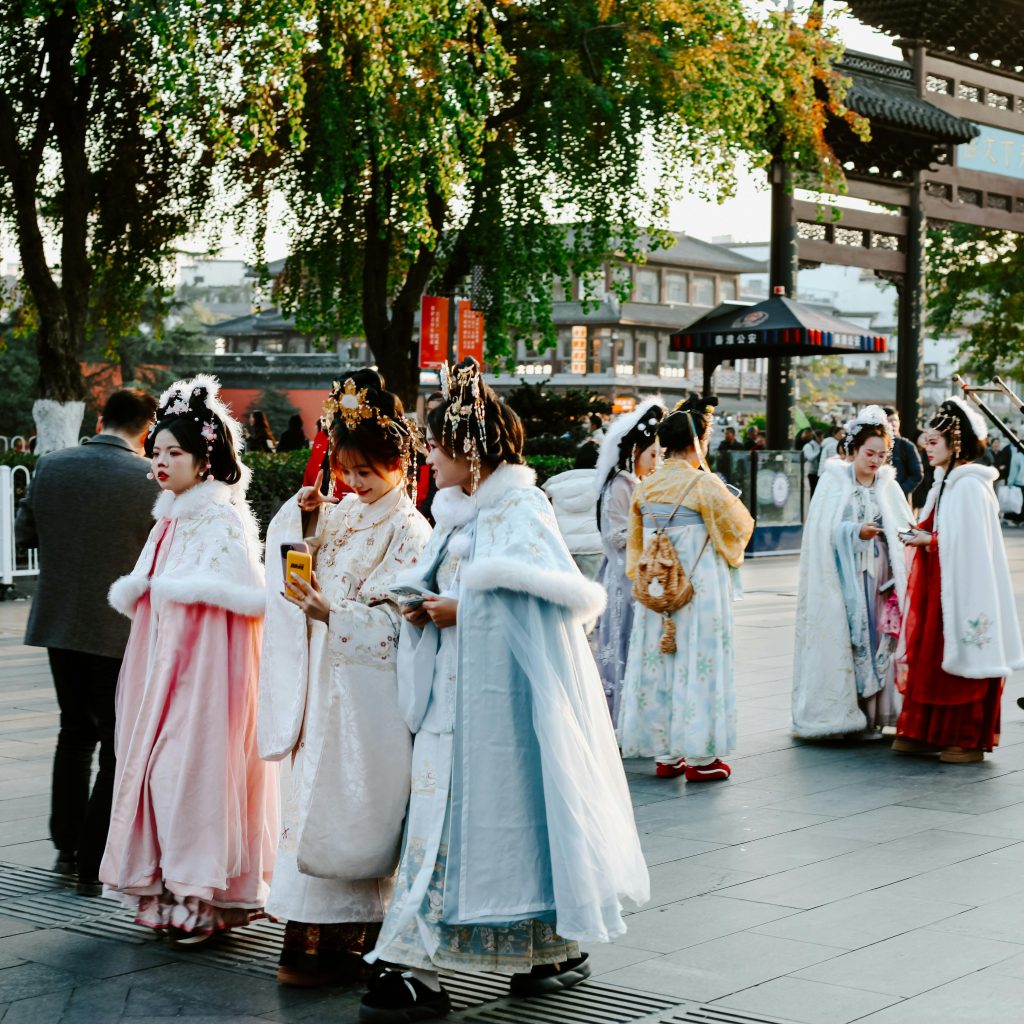
China’s new five-year blueprint gives culture a much clearer strategic role, not as decoration around growth, but as part of modernization itself. That matters because Beijing is signalling that social cohesion, values and cultural industries are now being treated as state capacity, not just soft power. It is a reminder that cultural policy in East Asia is often tied much more directly to national development than many Europeans assume.
Sci-fi as a mirror of national ambition

Xinhua’s report on China’s science-fiction convention is really about more than books and exhibitions. It suggests a culture increasingly comfortable linking imagination, engineering and national progress, with sci-fi serving as a bridge between children, researchers and industry. Europe can read this as a useful clue to how technological ambition and engineering is being cultivated early, not only funded from above.
2) Leadership & Economy
China’s growth model turns inward, at least on paper
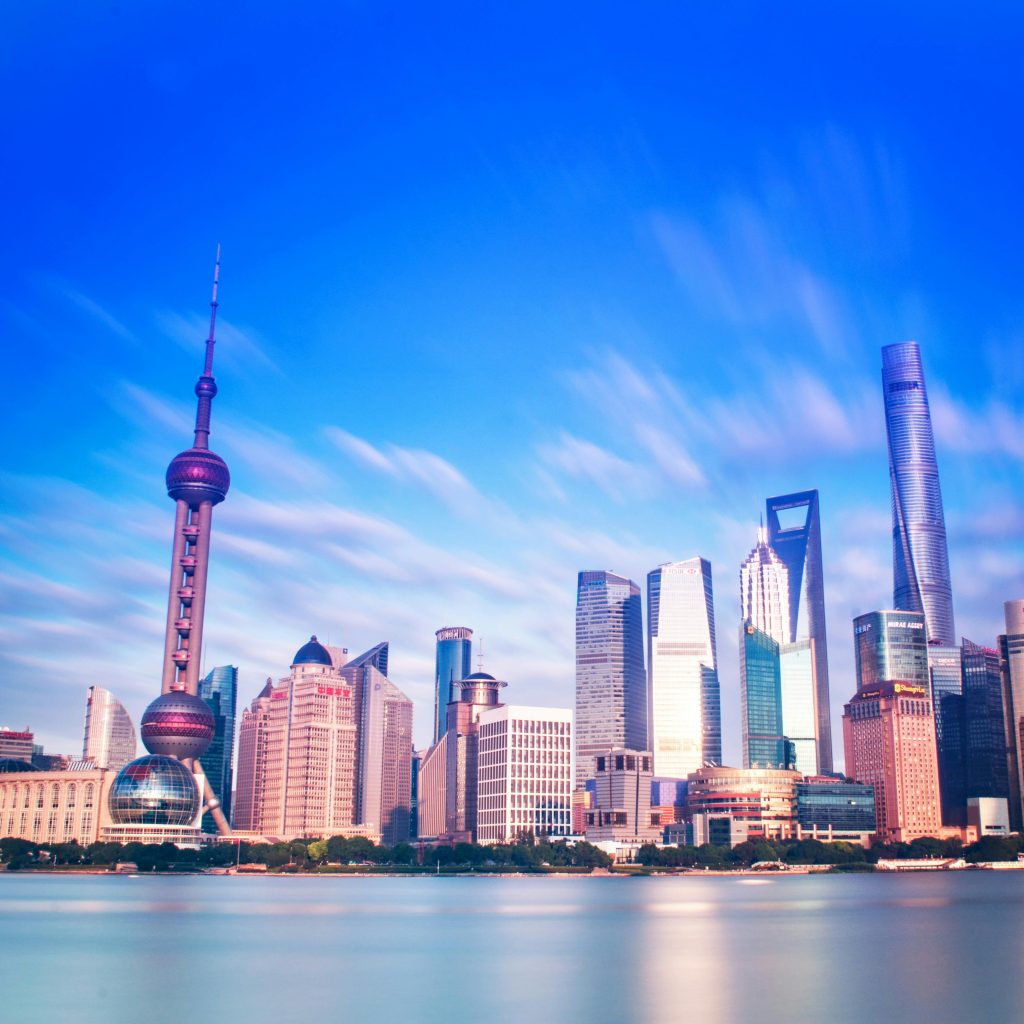
SCMP captured one of March’s clearest signals, Beijing is talking more openly about “investing in people” and boosting consumption, not just leaning on exports and construction. Whether it succeeds is another question, but the policy language itself marks a real shift in what Chinese leaders now see as the weak point in the model. This is something to watch closely, because a China that genuinely consumes more and exports less would change trade friction, supply chains and industrial competition.
6 March 2026 | South China Morning Post
Singapore widens its interface with China
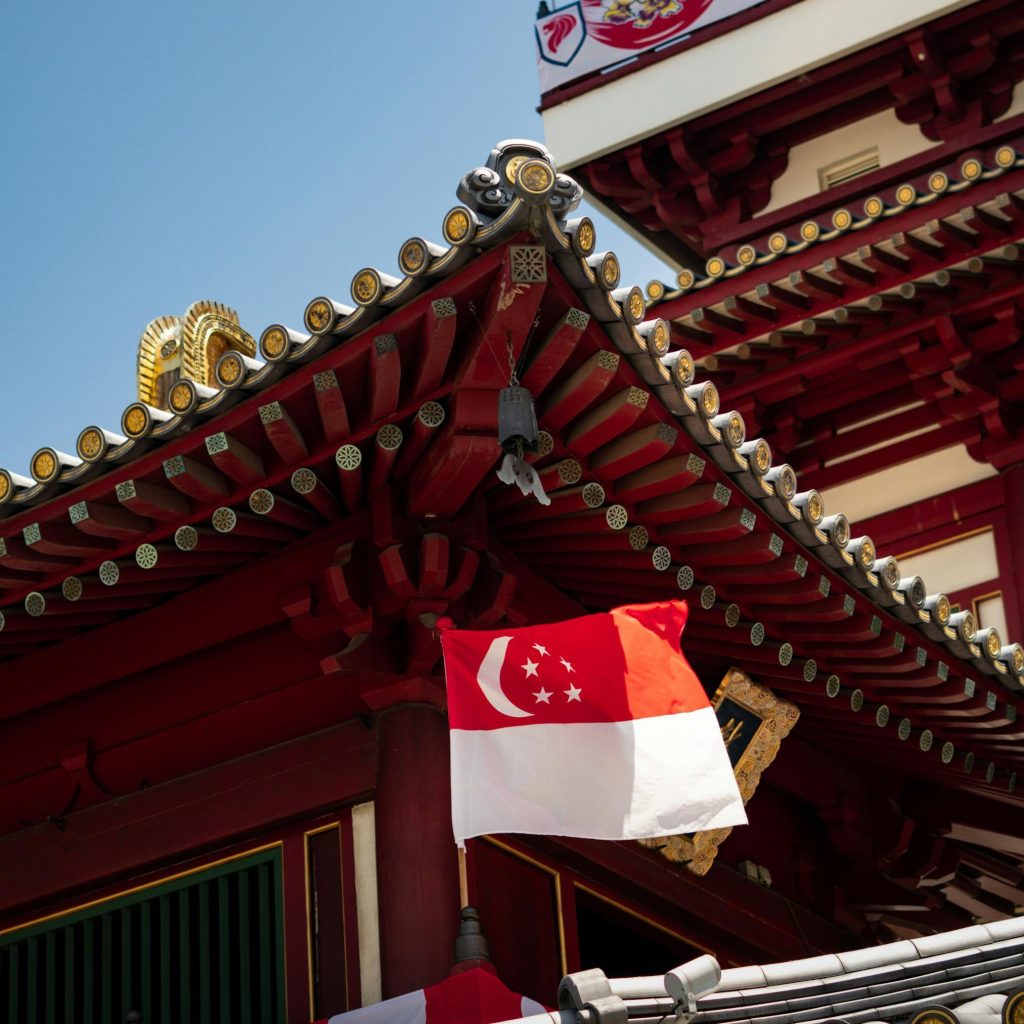
Prime Minister Lawrence Wong’s comments in Hong Kong, reported by The Straits Times, framed Hainan and Hong Kong as new touchpoints for Singapore to collaborate with China. The deeper shift is that Singapore is not stepping back from China, but redesigning how it plugs into Chinese growth through finance, technology and regional intermediation. That is worth noting in Europe, where many governments are still debating whether China exposure should be reduced or simply made more selective.
3) Technology & Innovation
Taiwan moves to stop talent leakage
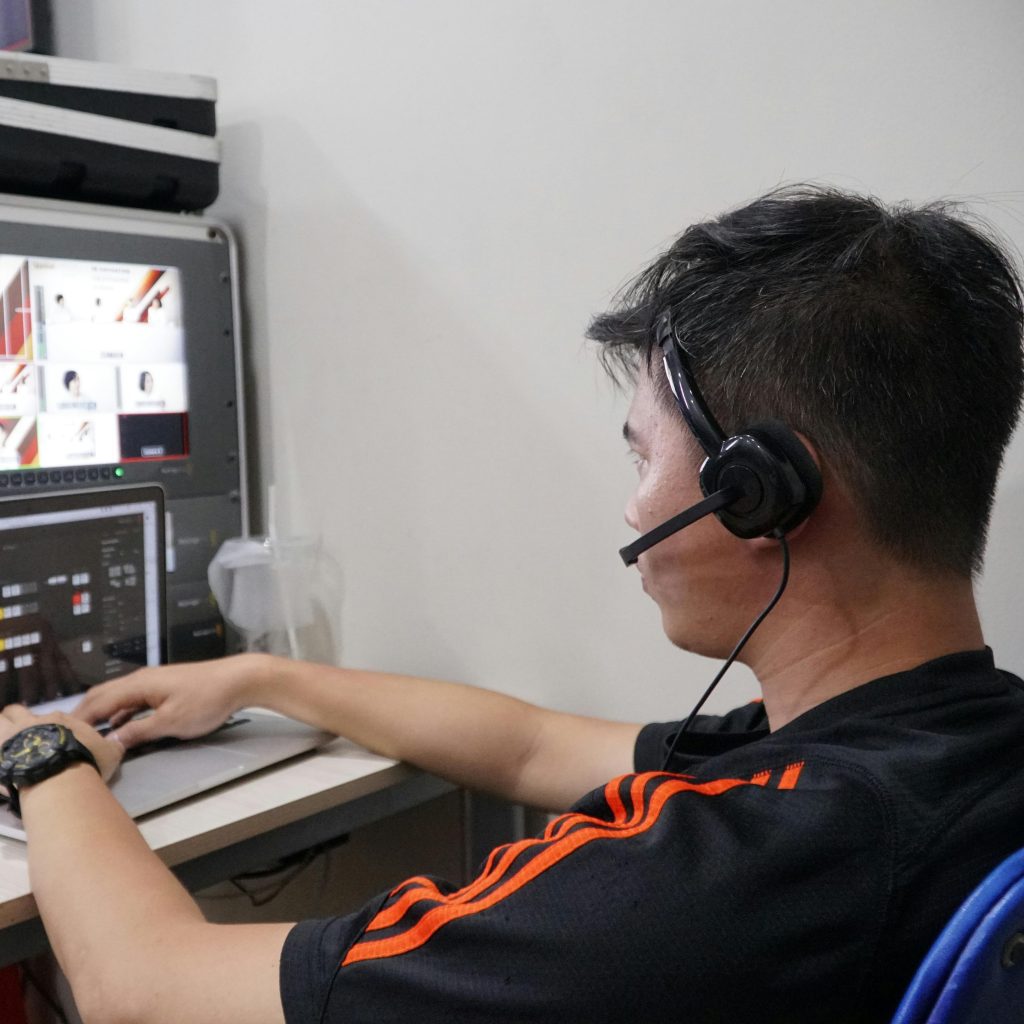
Taiwan’s investigation into Chinese firms allegedly poaching semiconductor and high-tech talent is one of those stories that says a lot about where the real competition sits. Chips are still about fabs and equipment, but they are also about engineers, tacital knowledge and people who know how production actually works. For Europe with its own skills bottlenecks, this is a sharp reminder that talent protection is part of industrial policy.
Innovation policy now means industrial fusion
Xinhua’s coverage of the ZGC Forum focused on the “full integration” of technological and industrial innovation. That phrase is worth noticing, because it reflects a policy instinct to connect research, manufacturing, finance and deployment much more tightly. European policymakers often talk about the innovation gap; China is increasingly talking about the translation gap, and trying to close it fast.
4) Climate Action, Energy & Food
Clean electricity becomes part of the AI race
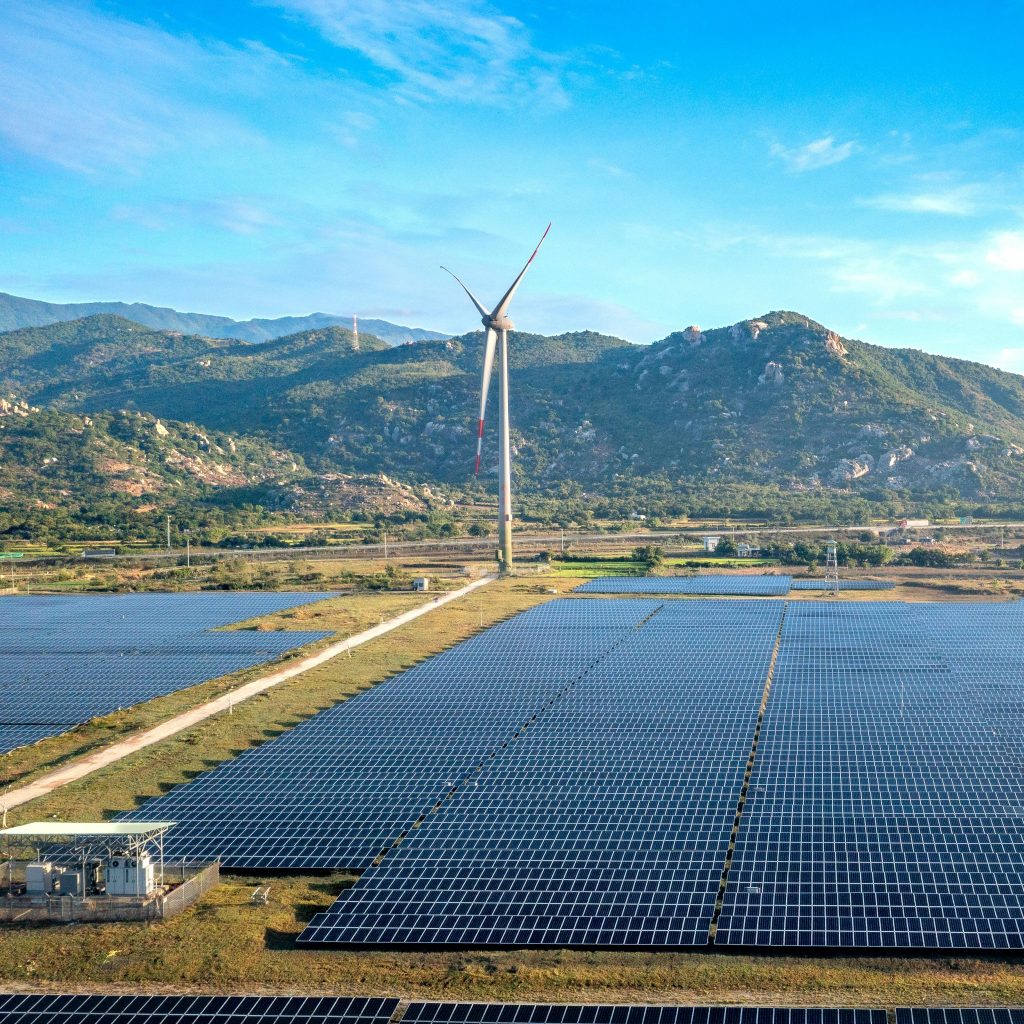
SCMP’s piece made a useful connection that is often missed, electricity is becoming a strategic input into AI competition. China’s scale in generation, grids and renewable build-out could give it an advantage not just in climate terms, but in the cost and reliability of future computing. For Europe, where power prices remain a structural weakness, exacerbated by the Middle East war, that is a particularly important signal.
2 March 2026 | South China Morning Post
Energy security becomes part of cross-strait messaging
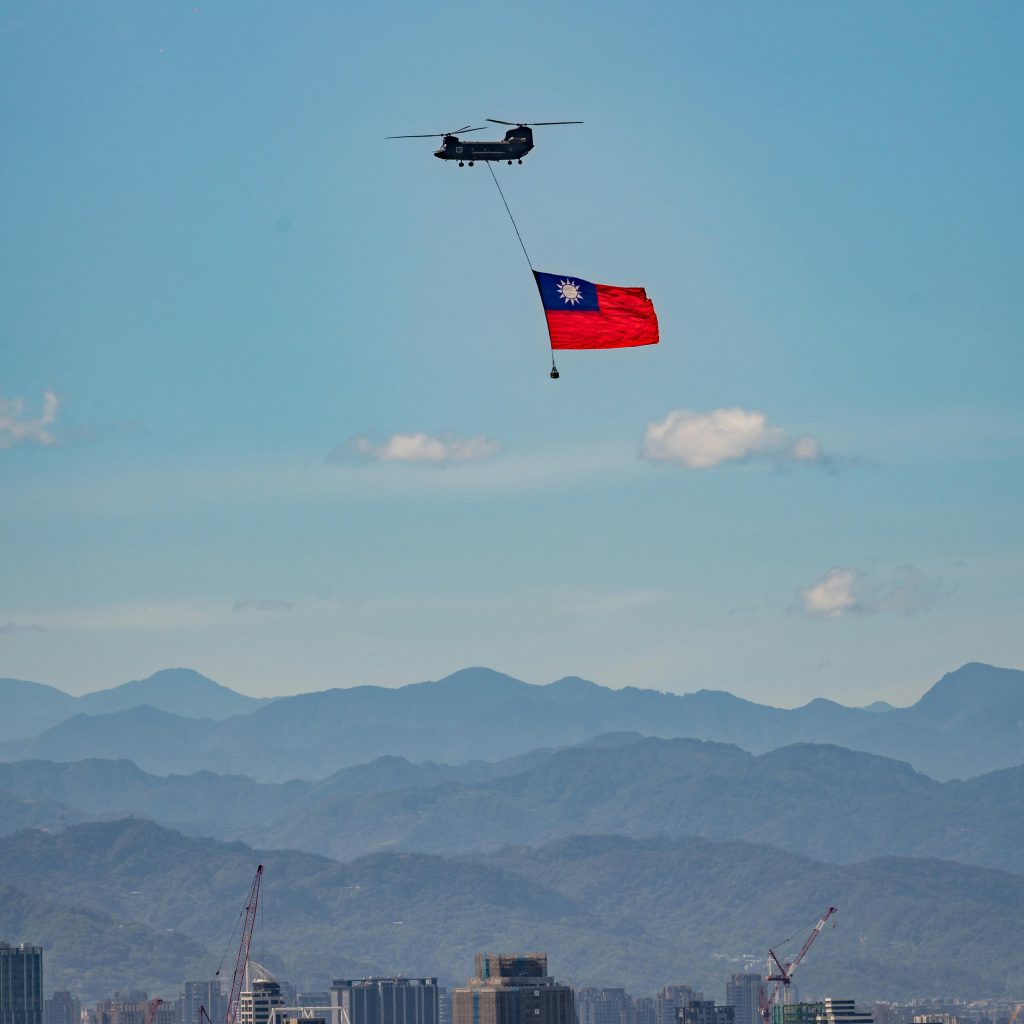
Reuters’ report on Taiwan rejecting Beijing’s offer of energy security through reunification was striking because it brought fuel vulnerability directly into the political contest. The story is not just about Taiwan saying no, but about China testing whether energy dependence can be turned into a persuasion tool. Europe should take note, because this is what strategic commodities look like when they move from economics into political pressure.
💡 Key takeaway
East Asia is showing how economic power now grows through culture, technology and strategic resilience.
Thanks for reading again this month. If you found this useful, feel free to share or subscribe to receive the full analysis in your inbox every month.
Stay curious,
Author of the book West meets East