



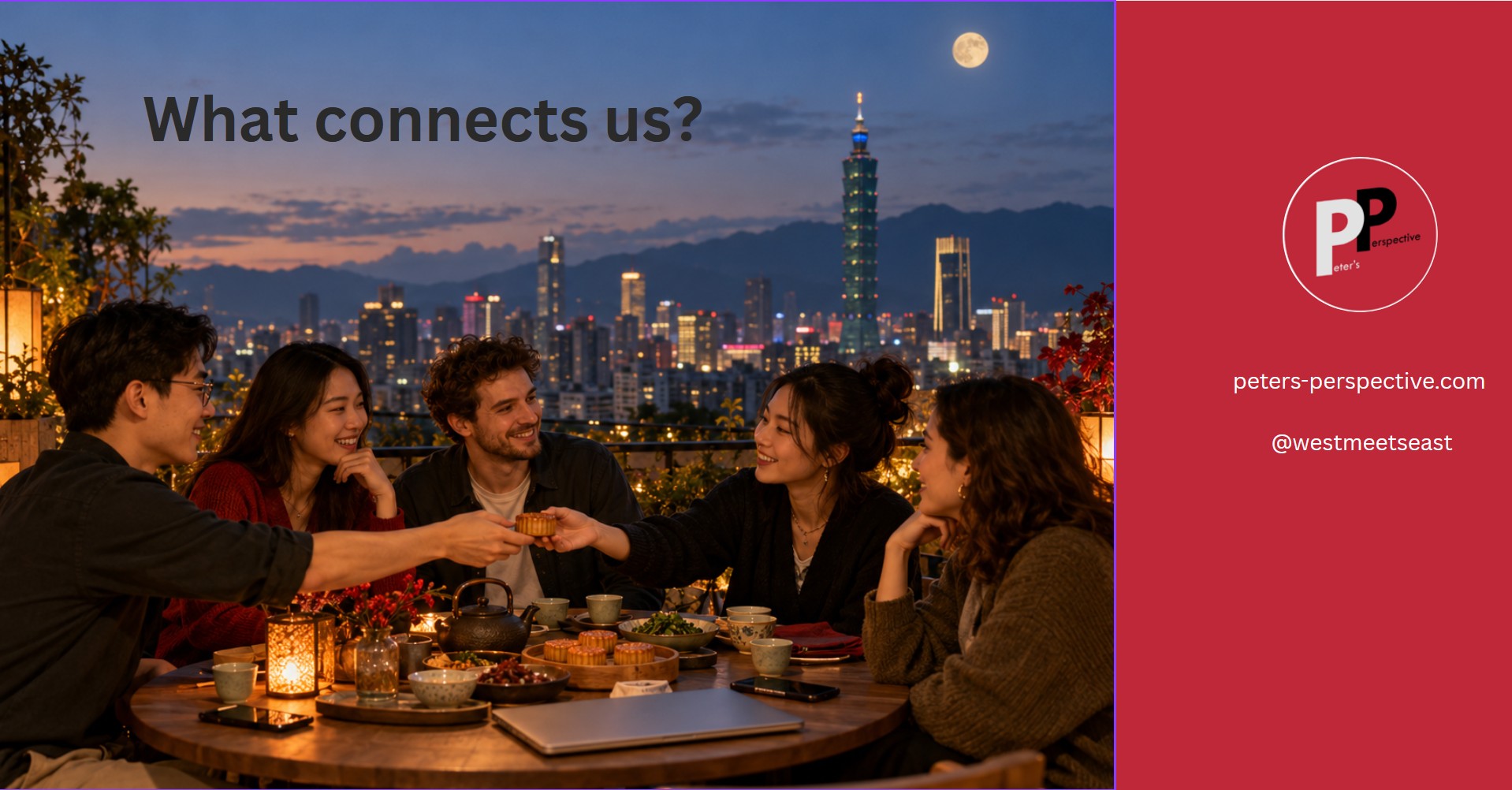
Hi, and welcome back to East Asia Insights!
September’s stories show how much East Asia’s future depends on connections across borders. The chips Europe needs, the batteries in future cars and the electricity that powers a city all depend on people and companies working in different countries.
In Washington, Trump and Xi met to steady a relationship that shapes trade around the world. In the chip industry, Dutch company ASML and Taiwan’s TSMC announced plans to develop technology for future chips together. Volkswagen’s new battery partnership with China’s Gotion raises a question for Europe: how can it build more at home while drawing on expertise from abroad?
Singapore’s exports surged as demand for AI-related electronics grew. New ASEAN trade plans could strengthen its links with neighbouring markets, while proposed solar and battery projects in Malaysia could send cleaner electricity across the border. In China, concern about El Niño turns attention to the link between harvests and affordable food.
Nine Taiwanese women show how different talents shape business, technology and culture. And as families prepared for the Mid-Autumn Festival, its theme of reunion feels familiar to anyone who has tried to stay close to loved ones far away.
Below are eight stories about the people, partnerships and pressures shaping East Asia—and touching Europe too,
1) People & Culture
What the Mid-Autumn Festival brings together
The Mid-Autumn Festival falls on the 15th day of the eighth lunar month, usually in September or October. It is celebrated in China, Taiwan, Singapore and elsewhere in Asia.
In a well-known Chinese legend, Chang’e (嫦娥) rises to the moon after taking an elixir of immortality. The Jade Rabbit keeps her company there. Their story gives the full moon a touch of longing for loved ones far away.
Families and friends share mooncakes and admire the moon together. Its central idea is 團圓 (tuányuán): reunion and togetherness. For some, that means gathering around one table. For others, it means calling family from another city or country and knowing they are looking at the same moon.
In Taiwan, you may see families and friends barbecuing together outdoors under the full moon.
Mid-Autumn Moon Festival: 2026 How and When to Celebrate | China Highlights
Nine Taiwanese women shaping culture business and technology
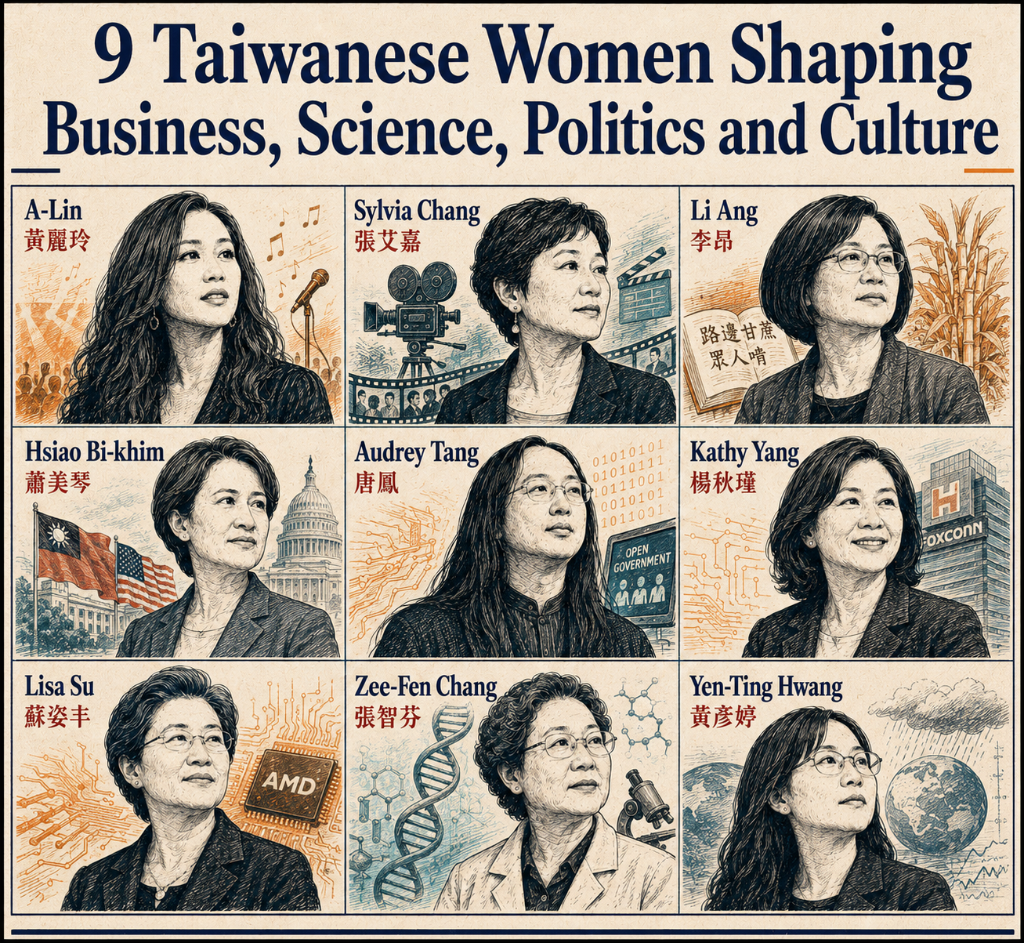
As a Dutchman, I find it striking to see Taiwanese women in leading roles in global technology. Lisa Su (蘇姿丰), born in Tainan and educated at MIT, transformed AMD into a major force in advanced computing and AI chips. Kathy Yang (楊秋瑾) became the first woman to serve as Foxconn’s rotating CEO in 2025. Today, she leads its AI software business and ranks No. 19 on Fortune’s 2026 Most Powerful Women in Business list.
Taiwan’s influence reaches far beyond technology. Singer A-Lin (黃麗玲), known for songs such as Give Me a Reason to Forget, is one of Taiwan’s best-known Mandopop voices. Her Amis heritage also reflects the island’s rich Indigenous culture. Explore the link below to meet all nine women and discover how they are shaping Taiwan and the world.
2) Leadership & Economy
Trump met Xi in Washington. What changed?
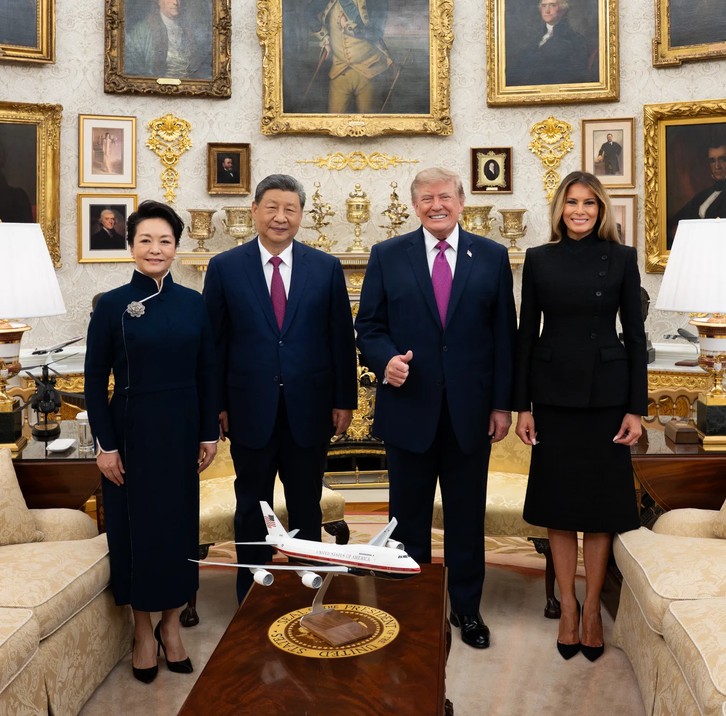
When Xi Jinping visited Washington from 23 to 25 September 2026, it was his first US state visit since 2015. Back then, Washington still hoped closer ties with China would bring a more stable relationship. Eleven years later, the visit was about managing competition between two powerful economies.
The US and China extended their trade truce by two months, to 10 January 2027, and agreed to work on lower tariffs for selected goods worth up to US$30 billion in each direction. They also established a channel to discuss AI risks. The tariff changes still need to take effect.
The difficult questions remain. China raised Taiwan, while access to rare earths is still a concern for manufacturers. For Europe, the meeting offers some breathing room for trade, but little certainty about the supply chains on which its industries depend.
26 September 2026 | South China Morning Post
Can Singapore still be a bridge economy?
Singapore’s non-oil domestic exports jumped 46.2 per cent in August from a year earlier, following a 24.1 per cent rise in July. Demand for AI-related electronics helped drive the surge. But exporters could face a setback if AI investment slows or US–China technology restrictions tighten.
Singapore is also strengthening its links with neighbouring economies. At the September ASEAN economic ministers’ meetings, members agreed to bring an upgraded goods-trade agreement into force earlier, in 2026. They also advanced plans for digital trade and cooperation with the EU.
Singapore can still be a bridge economy. For European businesses, its value lies not only in AI exports, but also in the potentially easier access to markets across Southeast Asia that closer regional cooperation could bring.
22 September 2026 | Ministry of Trade and Industry Singapore
3) Technology & Innovation
The Netherlands builds the chip machines. Taiwan builds the future chips.
On 8 September, Dutch company ASML and Taiwan’s TSMC announced plans for the next generation of chipmaking. TSMC intends to use ASML’s more precise High NA EUV machines in large-scale production from 2030. The companies also plan to develop larger photomasks—the templates used to print chip patterns—to help make future production faster and less costly.
The partnership highlights a European paradox. The EU Chips Act aims for Europe to hold 20 per cent of the global semiconductor market by 2030. Yet an ASML executive said in September that the company was currently selling no chipmaking machines in Europe. Europe makes essential equipment, but much of the demand for its most advanced machines lies elsewhere. Can it turn that strength into a stronger chipmaking industry at home?
8 September 2026 | ASML press release
Chinese battery technology made in Europe
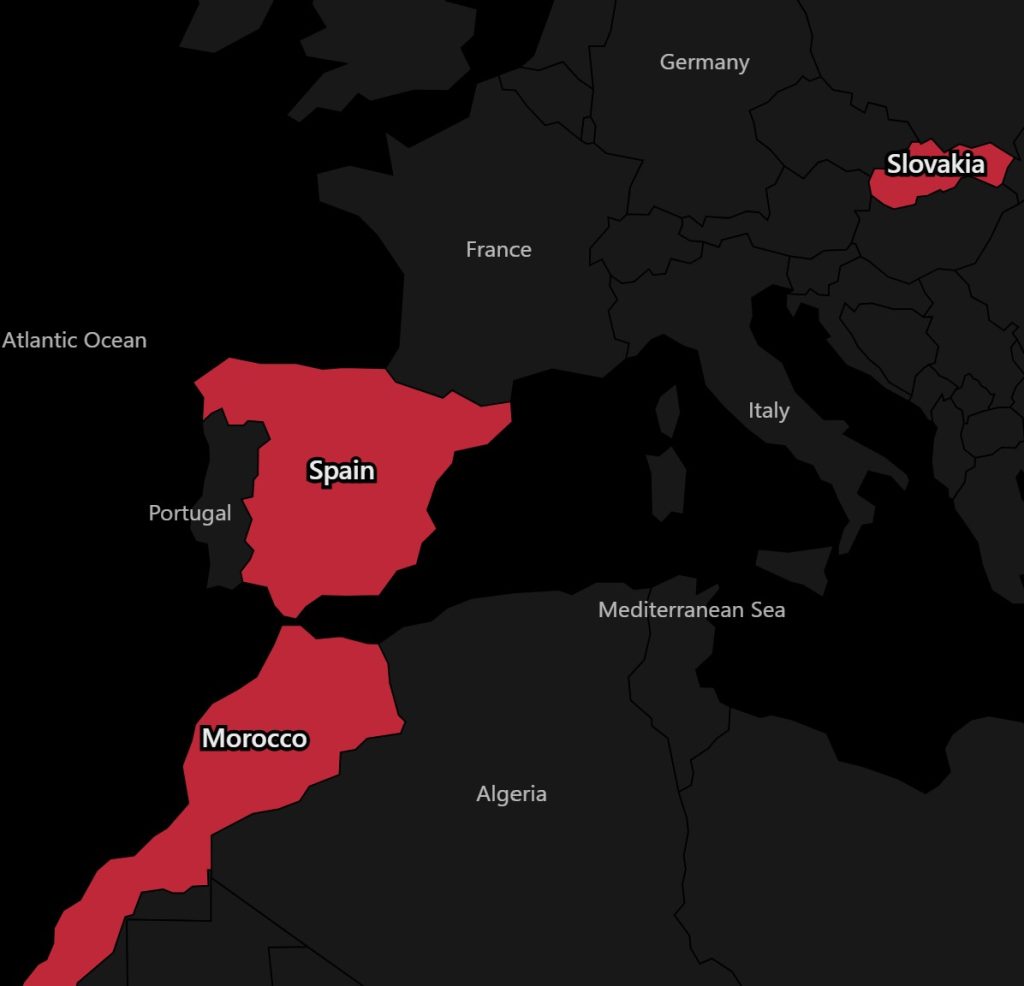
Your next electric car could have a battery made in Europe with Chinese know-how behind it. On 28 September, Volkswagen, its battery company PowerCo and China’s Gotion announced plans to make battery cells together in Spain and Slovakia. A third site in Morocco would produce a key battery material.
The focus is LFP batteries: durable, relatively low-cost batteries that could help make electric cars more affordable. Gotion already supplies Volkswagen with battery cells. Under the new plan, the companies would go further and share the work of building and running factories. PowerCo would hold the majority stake in Spain; Gotion would hold it in Slovakia and Morocco.
The deal still needs approval. But it shows how Europe could build more of its own batteries: Chinese expertise may be one of the fastest ways to get there.
4) Climate Action, Energy & Food
Singapore’s clean-power plan crosses borders
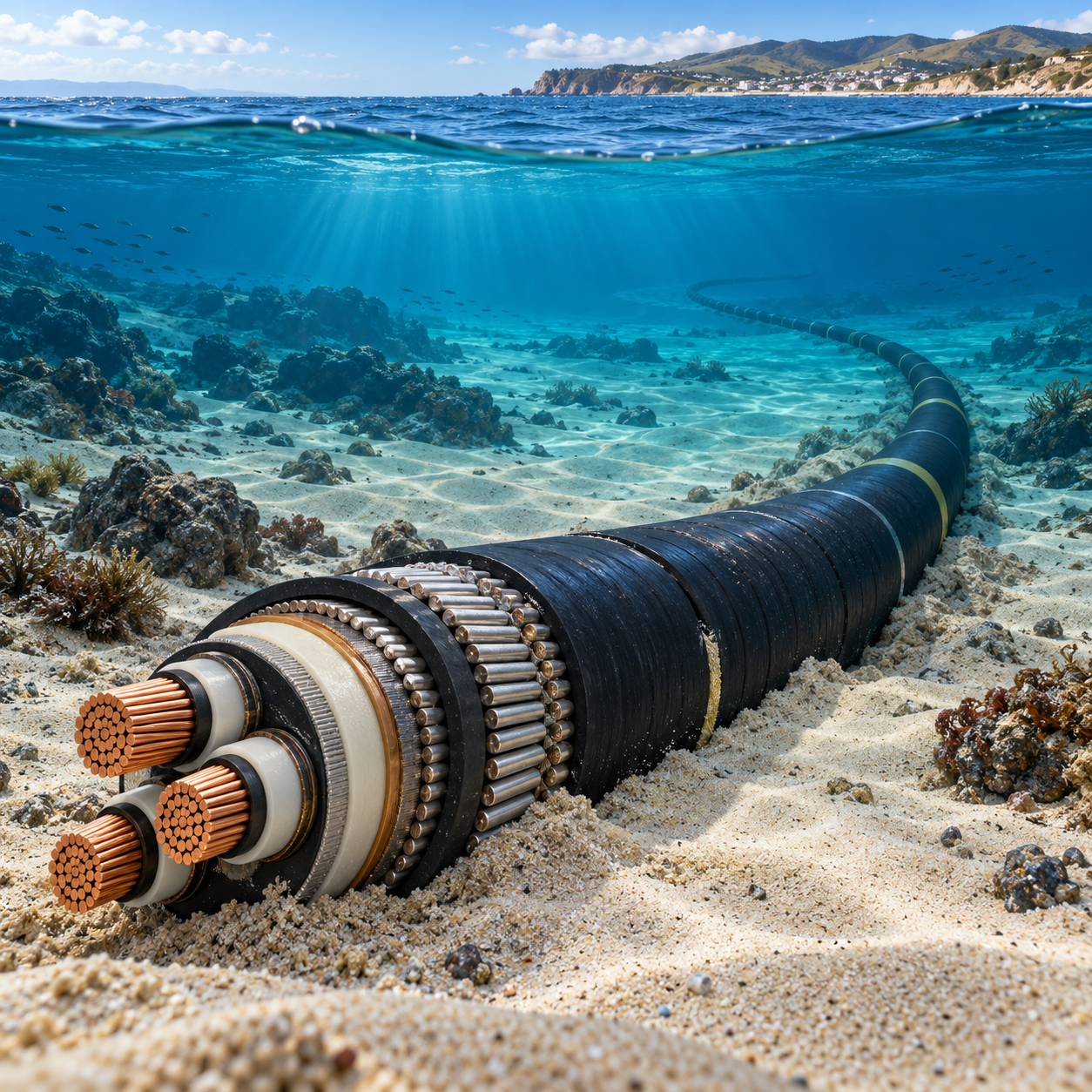
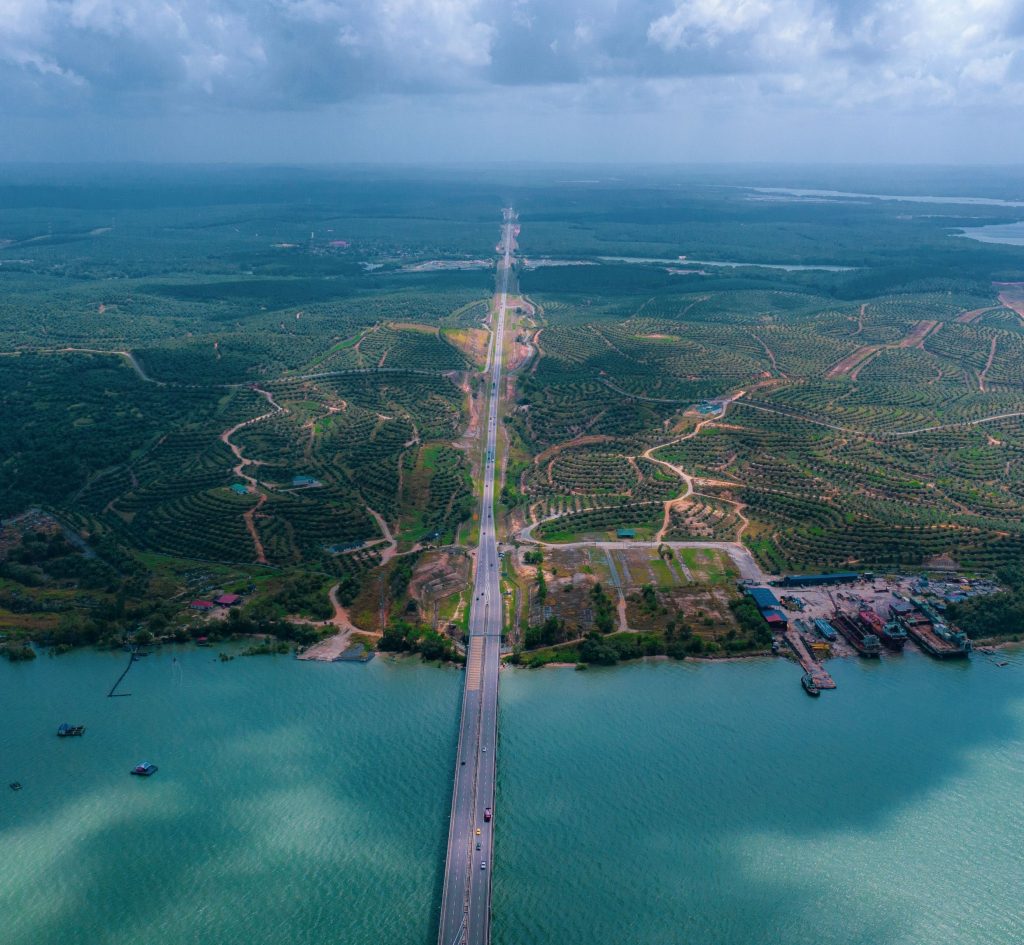
Singapore needs more clean electricity, but it has limited space to generate it at home. One answer may lie just across the border. In August, Singapore gave conditional approval for 900 megawatts of electricity imports from solar projects paired with batteries in Johor, Malaysia. The two developers hope to start supplying power around 2029.
The batteries matter: they can store some solar power for use when the sun is not shining. For Singapore, imports like these could help cut emissions from electricity generation, which currently accounts for 40 per cent of the country’s carbon emissions.
The projects still need financing, contracts and further approvals. But they point to a bigger idea: a cleaner energy future may depend on countries connecting their power grids, so electricity can be produced where there is room for it and used where it is needed.
7 August 2026 | Energy Market Authority Singapore
China’s harvest faces an El Niño test
What happens when a poor harvest reaches the dinner table? Food prices can rise, leaving families with less money for other essentials. Farmers also face uncertainty about what to plant next. That is why a reliable food supply matters far beyond the fields.
China is watching this risk as El Niño raises the prospect of more extreme weather. In September, officials said the country’s grain reserves were large enough to help it withstand disruption and that its domestic grain market remained stable. Crops, however, are still exposed to heat, drought and floods.
China’s grain reserves offer a buffer if harvests suffer. The months ahead will show how well that buffer protects food prices—and how important a reliable food supply remains, even for a country with large reserves.
💡 Key takeaway
The Netherlands builds chip machines with Taiwan’s future chips in mind. China brings battery expertise to Europe, while Singapore looks to Malaysia for clean power. Partnerships are shaping what comes next.
Thanks for reading again this month. If you found this useful, feel free to share or subscribe to receive the full analysis in your inbox every month.
I’d love to hear your thoughts. If you have any questions, feedback or suggestions for future editions, simply send me an email at info@peters-perspective.com.
Stay curious,
Author of the book West meets East