




Hi, and welcome back to East Asia Insights!
August’s stories share one theme: the growing pains of rapid progress. Across East Asia, AI, robotics and renewable energy are moving fast. But people, consumers and infrastructure do not always move at the same speed.
Three things stood out to me this month:
- Success is creating new pressures. Young Chinese are questioning the rat race, while Taiwan’s AI boom is bringing both growth and exceptionally high overtime.
- Technology still has to prove itself. China’s robots are moving from impressive demonstrations towards useful work, while investors are asking whether enthusiasm for AI has gone too far.
- Progress needs more than technology. China’s renewable boom needs grids and storage to keep up, while Singapore’s rising temperatures are forcing workplaces to adapt.
Together, these stories show that progress is not only about moving faster. It is also about whether people, economies and infrastructure can keep up.
Here are the key stories from August.
1) People & Culture
Burned out by the rat race: why young Chinese are choosing a slower life

Some young Chinese professionals are leaving high-pressure careers in major cities for cheaper and slower lives elsewhere. One example is 36-year-old Alice Zheng, who left Shenzhen after years of long hours and now spends time in places including Yunnan. The trend connects with tang ping (躺平), or “lying flat”: questioning whether constant competition, overtime and higher salaries really lead to a better life. For young Europeans facing similar debates about work and well-being, China’s changing idea of success may feel surprisingly familiar.
Singapore at 61: what does the next generation want?

Singapore celebrated its 61st National Day on 9 August, but younger Singaporeans are thinking beyond economic success. In a Straits Times survey of people aged 13–35, 39% associated the “Singapore Dream” with work-life balance and mental well-being, while 30% pointed to a fulfilling career. That is an interesting shift in a country famous for achievement and hard work. Singapore’s next generation seems to be asking a very modern question: what is prosperity worth if there is not enough time to enjoy it?
2) Leadership & Economy
Taiwan’s AI boom: prosperity versus pressure
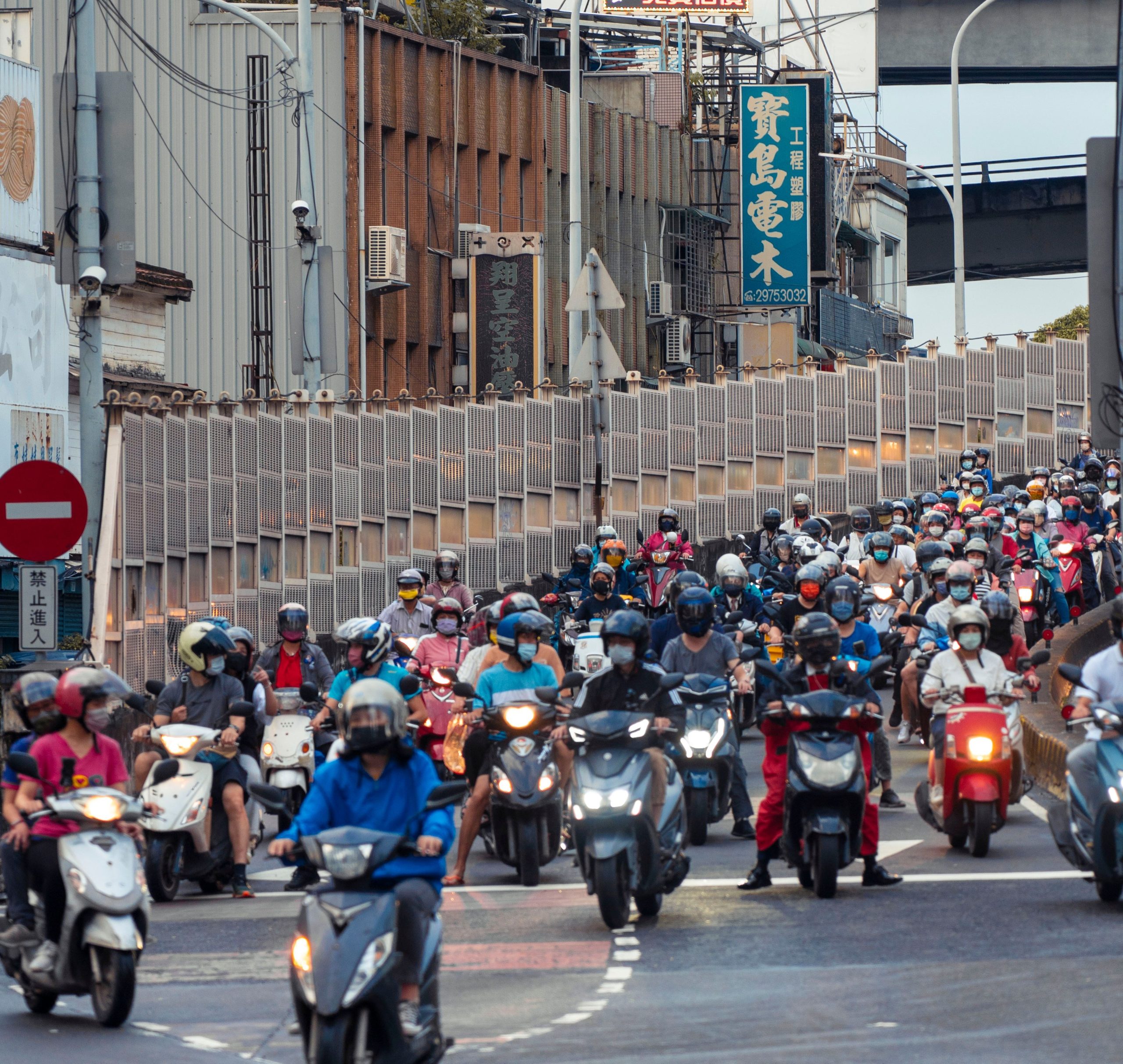
Global demand for AI hardware is helping Taiwan’s economy boom, but the success also has a human side. Employees in Taiwan’s electronic-components industry worked an average 29 hours of overtime in June, the highest June figure since records began in 1980. Across the economy, the average was 9 hours. Taiwan shows how an abstract global trend such as AI can quickly become something very physical: more orders, more production and more hours at work. The AI revolution is not happening only inside computers.
Made in China, but who’s buying?
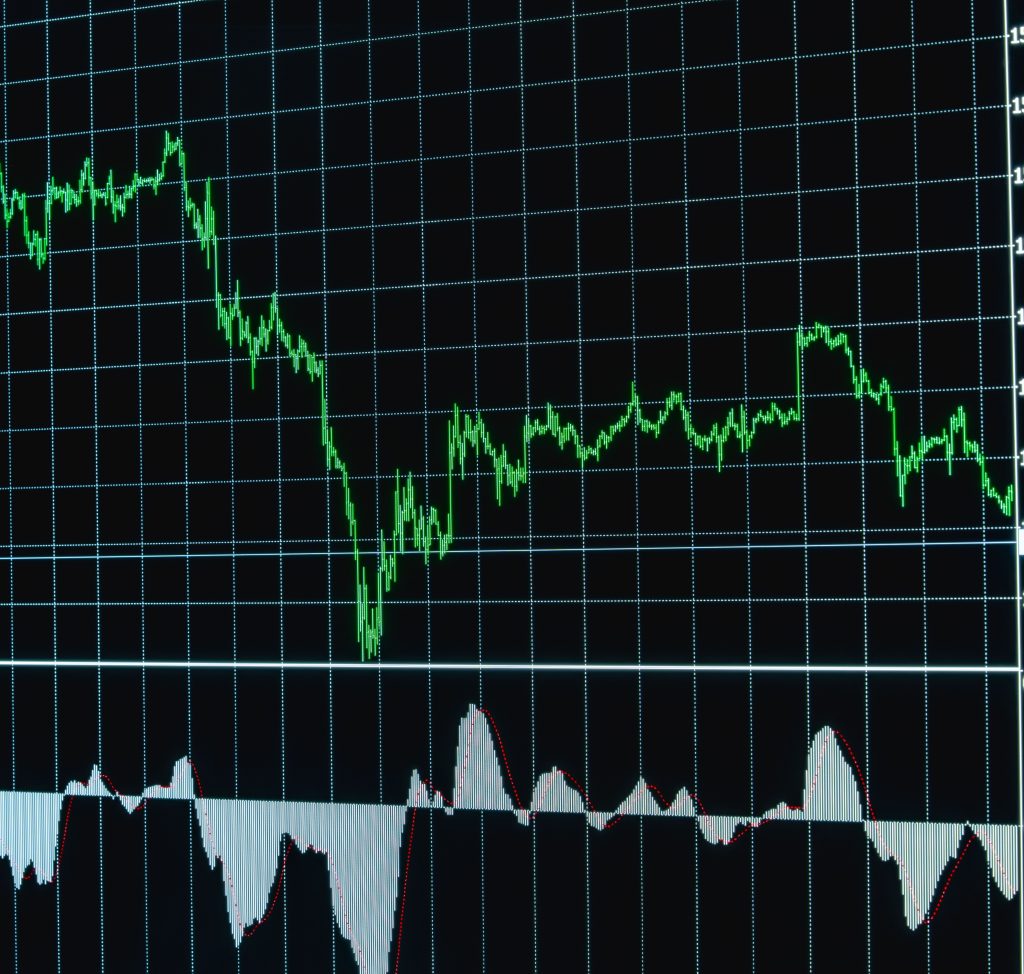
China remains an industrial powerhouse, but its consumers are much less energetic. In July, industrial production grew 4.5% from a year earlier, while retail sales increased only 0.6%. Investment also remained weak. This creates an important imbalance: Chinese factories can produce enormous quantities of cars, electronics, machinery and other goods, while domestic demand struggles to keep pace. That matters in Europe too, because when Chinese consumers buy less at home, companies have an even stronger reason to look for customers abroad.
3) Technology & Innovation
China’s robots can run. But can they work?
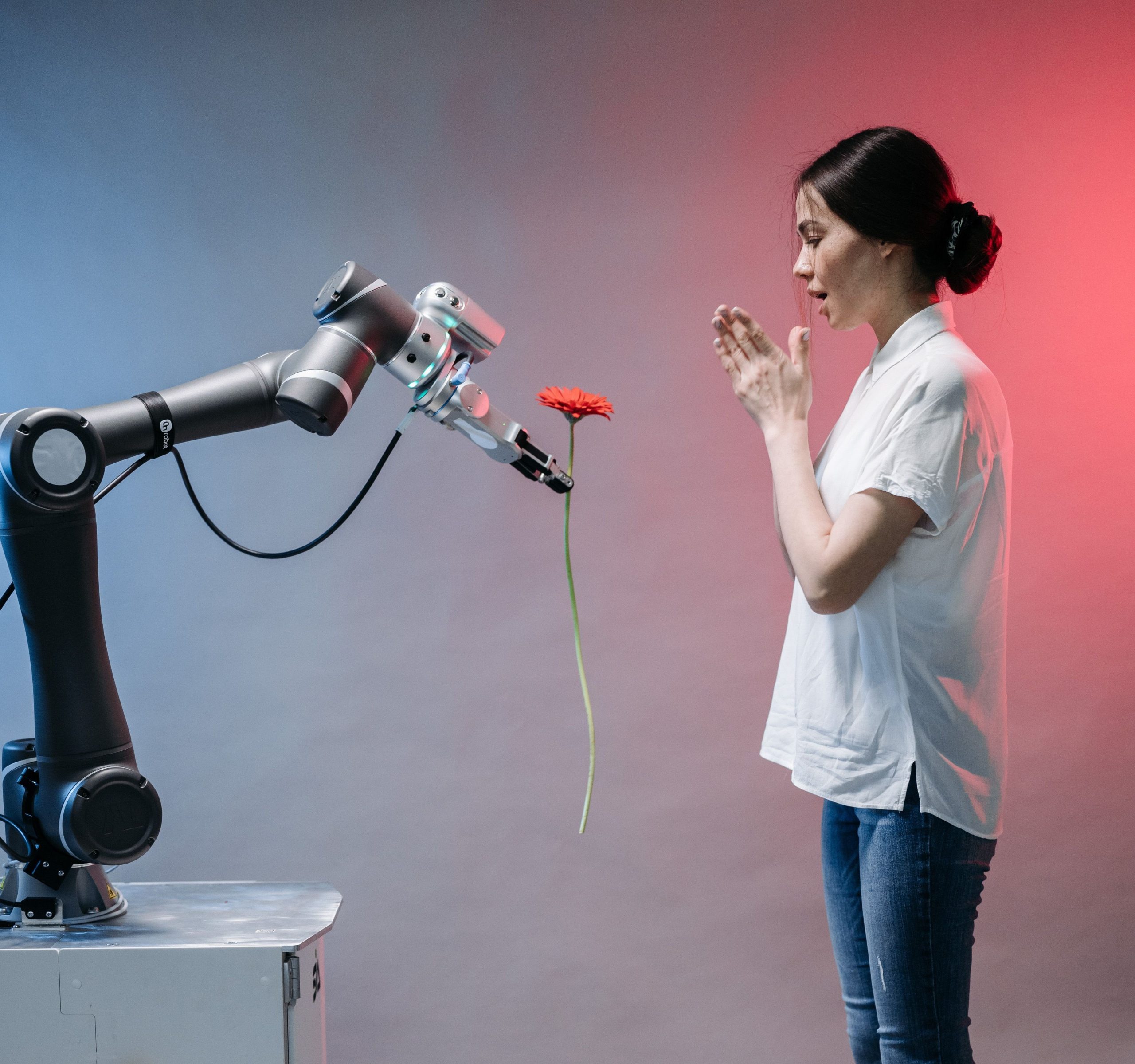
China’s World Humanoid Robot Games showed robots running, playing sports and competing against each other. But some of the most interesting tests were less spectacular: sorting packages, working in warehouses, serving customers and plugging in cables. These are the skills robots will need if they are going to become useful in factories and everyday life. China is investing heavily in humanoids, but impressive hardware does not automatically mean intelligent workers. The real robot race may therefore be won on the factory floor, not the running track.
What if the AI bubble bursts; but AI still wins?

CThe European Central Bank is asking whether today’s excitement about AI could resemble the dot-com boom. History offers an interesting lesson. Global Crossing spent billions building a huge fibre-optic network before collapsing in 2002, yet the infrastructure itself remained useful. Today, enormous sums are again flowing into chips, data centres, electricity networks and AI infrastructure, much of it connected to Taiwan and increasingly to China’s push into physical AI. A financial bubble and a technological revolution can exist at the same time — investors can lose even while the technology eventually wins.
4) Climate Action, Energy & Food
Too much green power for the grid?
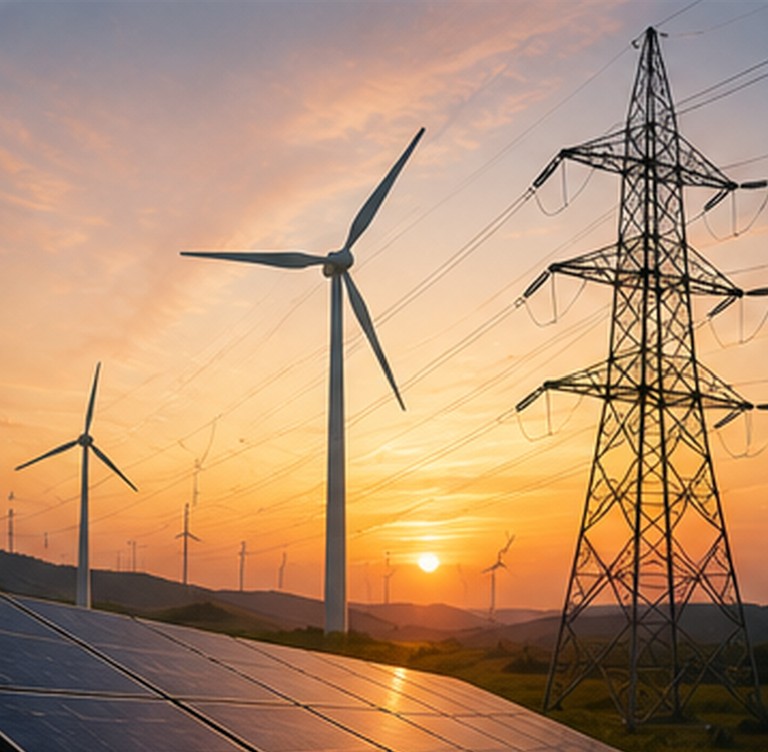
China has built solar and wind power at extraordinary speed. Now another problem is becoming more visible: electricity grids cannot always move renewable power from where it is generated to where it is needed, meaning some clean electricity can go unused. The next stage of China’s energy transition is therefore not simply about installing more solar panels and turbines. It requires stronger grids, storage and a more flexible electricity system. Europe face the same challenge: building renewables is only half the energy transition.
How do you work outside when Singapore keeps getting hotter?
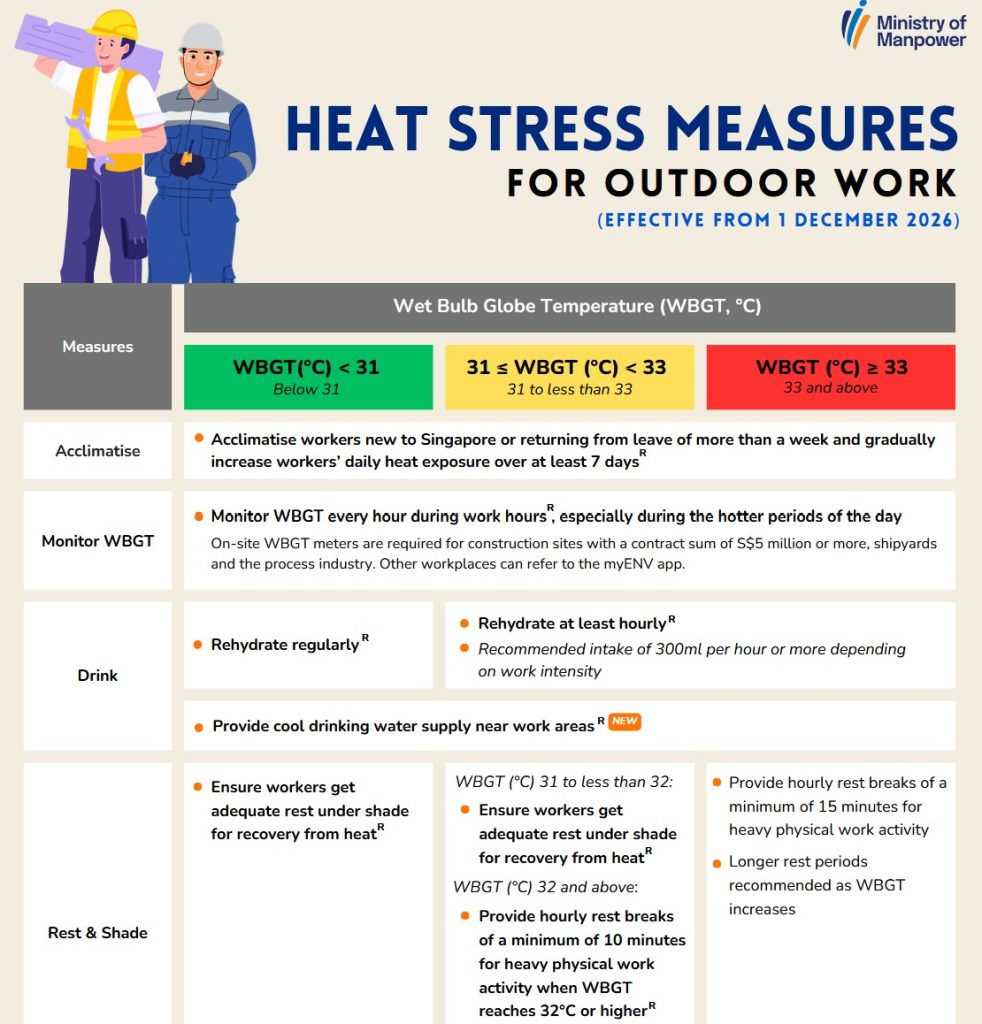
Singapore is turning climate adaptation into workplace policy. From 1 December, employers with outdoor workers must follow stronger heat-protection measures, including access to cool drinking water, heat-stress training, suitable clothing and emergency cooling such as ice packs or water sprays. The measures come during Singapore’s Year of Climate Adaptation. Climate change can sound distant when discussed through 2050 targets and global temperature models; Singapore makes it much more immediate: how should someone safely do their job on an increasingly hot afternoon?
💡 Key takeaway
East Asia is moving fast. But when technology and growth accelerate, who benefits and who struggles to keep up?
Thanks for reading again this month. If you found this useful, feel free to share or subscribe to receive the full analysis in your inbox every month.
I’d love to hear your thoughts. If you have any questions, feedback or suggestions for future editions, simply send me an email at info@peters-perspective.com.
Stay curious,
Author of the book West meets East