



Hi, and welcome back to East Asia Insights!
This month’s stories share one theme: quiet change. Across East Asia, governments are making big, long-term decisions. These choices get less attention than daily news, but they may shape the region’s future more than anything else.
Three things stood out to me this month:
- China is redefining what economic success looks like. Rather than focusing mainly on GDP growth, increasing attention is being given to advanced manufacturing, energy security and long-term competitiveness.
- In an unpredictable world, stability is becoming a competitive advantage.. It’s keeping Taiwan central to tech supply chains and pushing ASEAN nations to cooperate on food security
- China is aiming to become a global leader in innovation, for example in biotechnology. Its growing investment in research and development is strengthening its position in industries that are likely to shape the future.
Together, these stories show something bigger: education, energy, culture, and climate may look like separate topics, but they all point to the same trend. East Asia is quietly building for the next ten years, spending less time reacting to today’s problems, and more time preparing for tomorrow’s chances.
Here are the key stories from last month.
1) People & Culture
China adds new university majors to secure its future
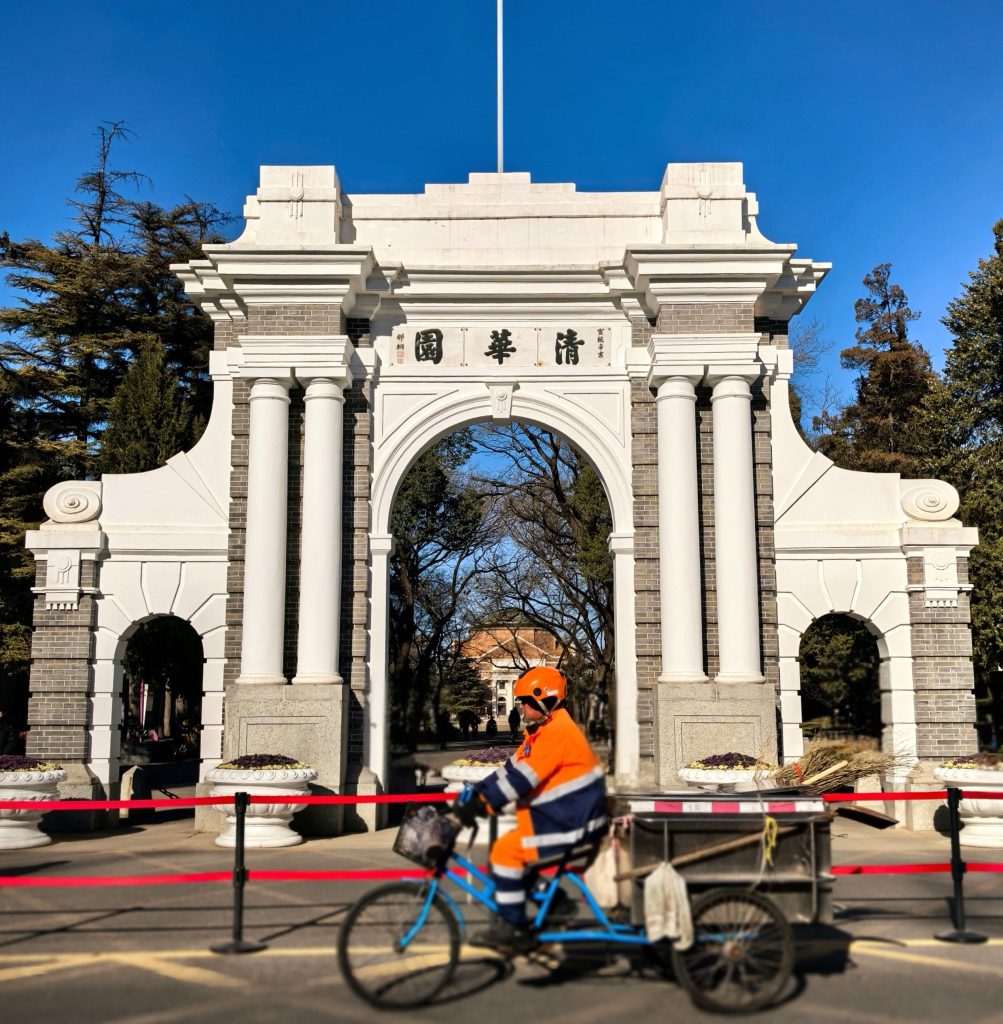
China is expanding university programmes to support the industries it sees as critical for future growth. New degree programmes include embodied AI, brain-computer science, biomanufacturing and energy technologies. One notable example is Sichuan University (四川大学), which has launched China’s first undergraduate programme in semiconductor process and equipment. The changes reflect a broader effort to align higher education with national priorities and emerging industries. China’s 15th Five-Year Plan (2026–2030) also calls for expanding high-quality education in science, engineering, agriculture and medicine.
Dragon Boat Festival fuels tourism

The Dragon Boat Festival, one of China’s oldest and most widely celebrated traditional festivals, attracts millions of people every year through dragon boat races, family gatherings and the traditional food zongzi (粽子 sticky rice dumplings). Increasingly, the festival is also supporting local tourism, small businesses and rural communities, as visitors travel beyond the major cities to experience local traditions. China’s cultural heritage is becoming an important driver of local development and cultural confidence, rather than simply a reminder of the past.
2) Leadership & Economy
China redefines economic success
China’s leaders are placing greater emphasis on the quality of economic growth rather than growth alone, with increasing attention to productivity, advanced manufacturing, technological upgrading and long-term resilience. In June, the Ministry of Industry and Information Technology (工业和信息化部) urged local officials to look beyond headline figures such as GDP and industrial output when assessing economic performance, reflecting the priorities set out in China’s 15th Five-Year Plan (2026–2030). The quiet transformation is that economic success is increasingly measured by competitiveness and quality rather than speed.
Taiwan President: status secures supply chains
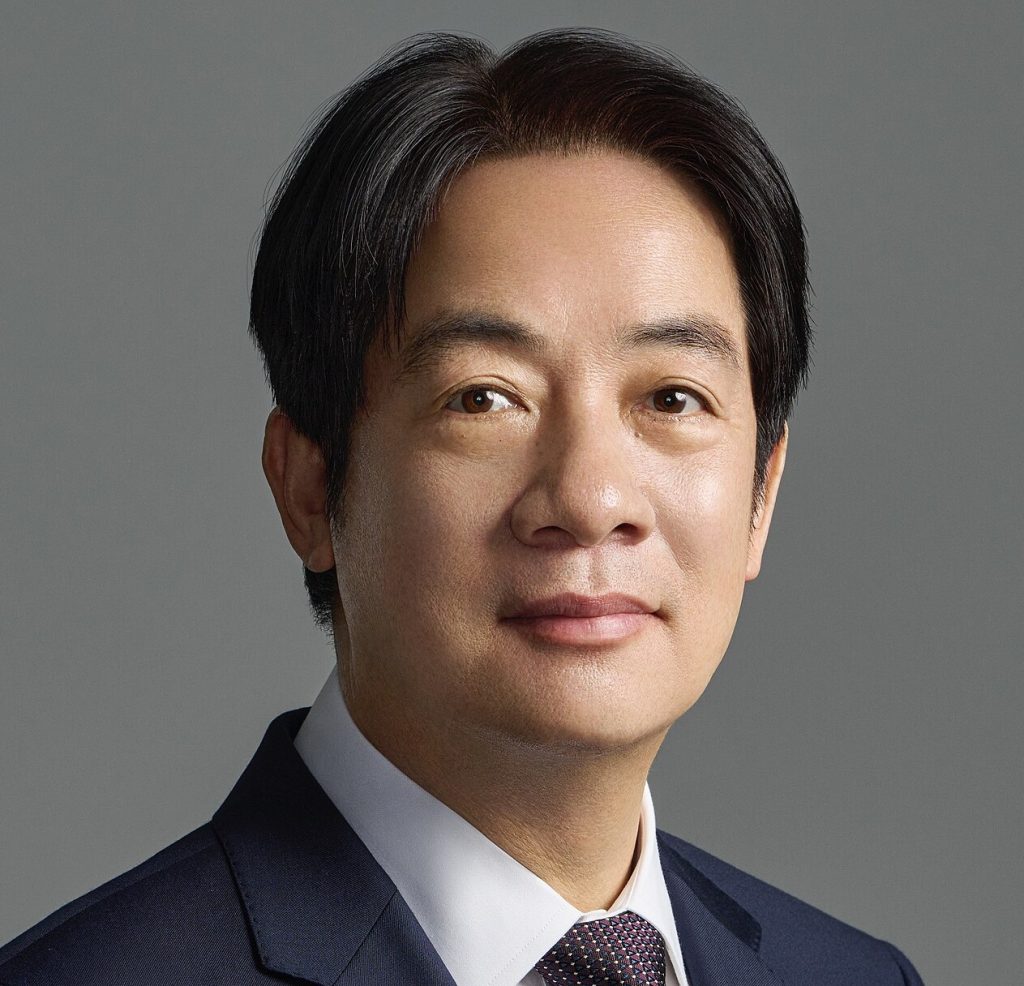
President Lai Ching-te (賴清德) said maintaining peace and stability across the Taiwan Strait is essential for securing global technology supply chains. As demand for AI continues to grow, technology leaders highlighted Taiwan’s central role in semiconductor manufacturing and advanced computing, positioning the island as a stable and reliable partner for global industries that depend on advanced technology. The quiet transformation is that economic competitiveness is no longer measured only by innovation and exports, but also by the ability to provide trusted and resilient supply chain.
3) Technology & Innovation
The next Pfizer will be Chinese
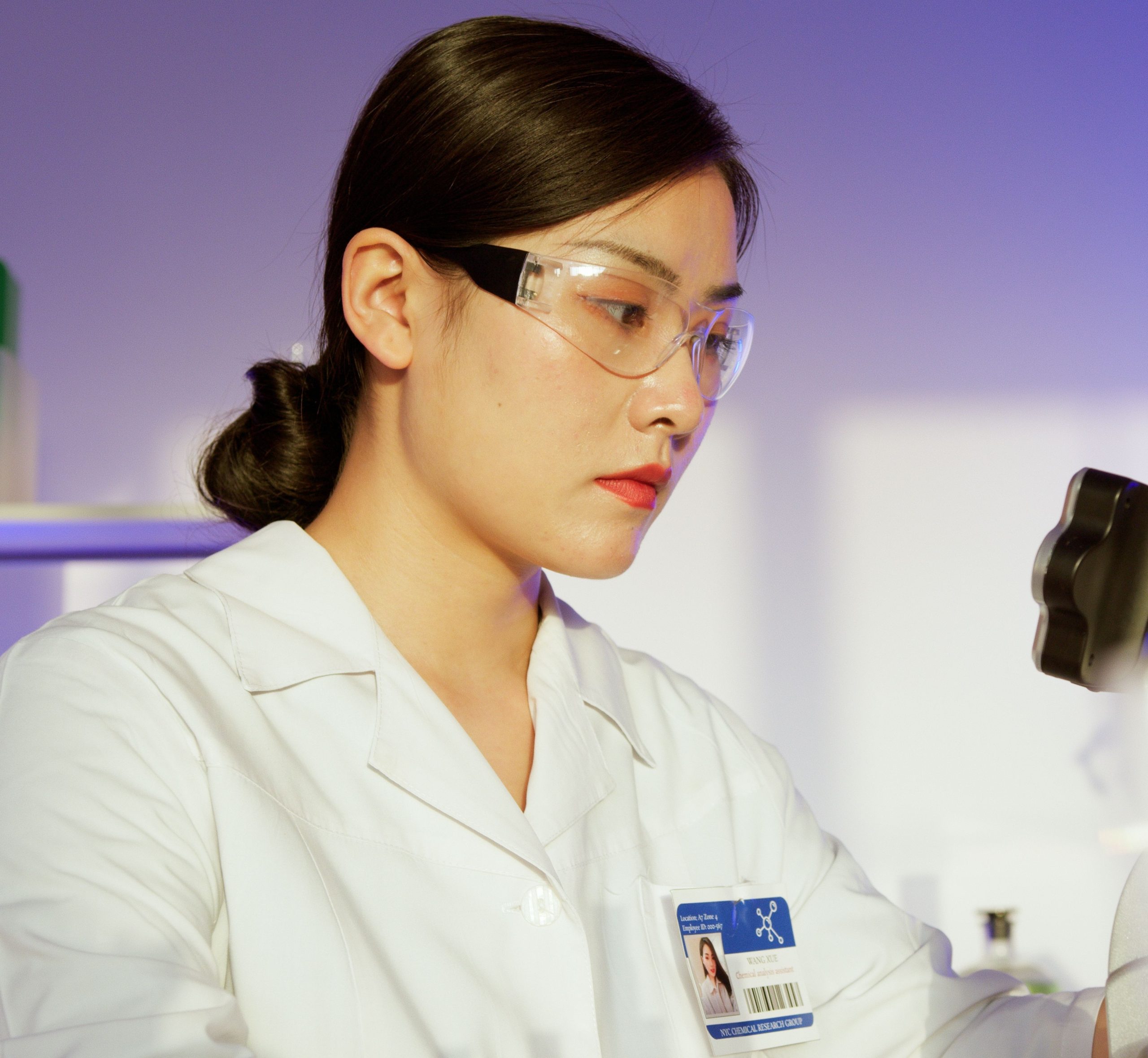
China has rapidly become a leading hub for new innovative medicines, overtaking Europe and nearing the US. China’s course is clear: it is already a global powerhouse of innovation and will expand this role in the years to come. It is historically strong in the development of oncology drugs and will become a more important source of ADCs, bispecific, obesity, cell/gene therapies and immunology assets.
Conversely, all Western pharma companies need a China strategy: will they partner given China’s manufacturing prowess, the depth of its scientific talent pool, economies of scale and speed, or will they play defence?
May 2026 | ING Bank: China’s spectacular rise reshapes Asia’s pharma future
China new energy system
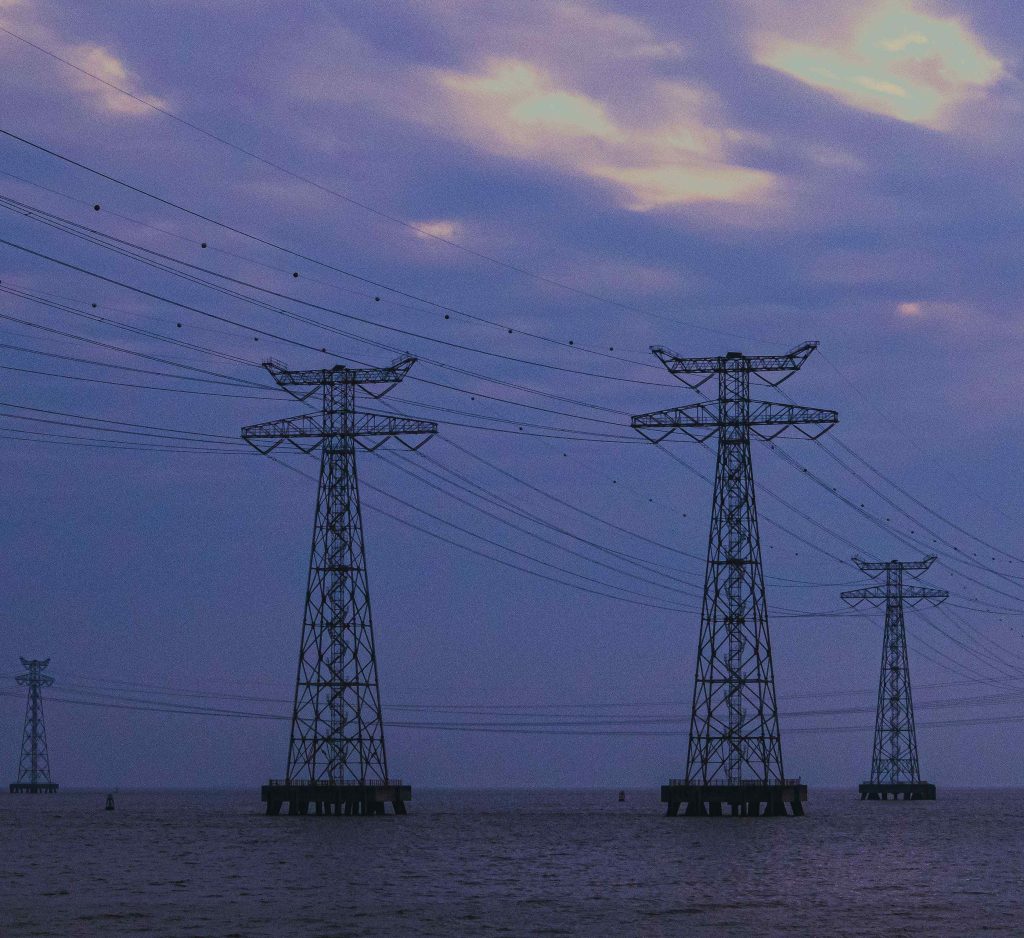
China’s new 15th Five-Year Plan for the Construction of a New Energy System (2026–2030) marks an important shift in its energy transition. Until now, the focus has mainly been on adding more solar panels, wind farms and electric vehicles. The new plan places greater emphasis on building a reliable and flexible energy system through battery storage, stronger electricity grids, smarter power markets and greater energy security.
By 2030, China aims for non-fossil sources to provide half of its electricity, while wind and solar will account for more than half of installed generating capacity.
4) Climate Action, Energy & Food
Year of Climate Adaptation

Singapore is already preparing for the growing impact of climate change. Rising temperatures, higher sea levels, and more frequent extreme weather are expected to affect health, infrastructure, the economy, and daily life. According to Singapore’s Third National Climate Change Study, the average sea level could rise by up to 1.15 metres by 2100. At the same time, daily maximum temperatures could increase by as much as 5.3°C.
Hot days, warm nights, and stronger heat stress are expected to become part of everyday life, making climate adaptation a national priority.
18 June 2026 | Singapore Ministry of Sustainability and the Environment
How ASEAN member states secure food
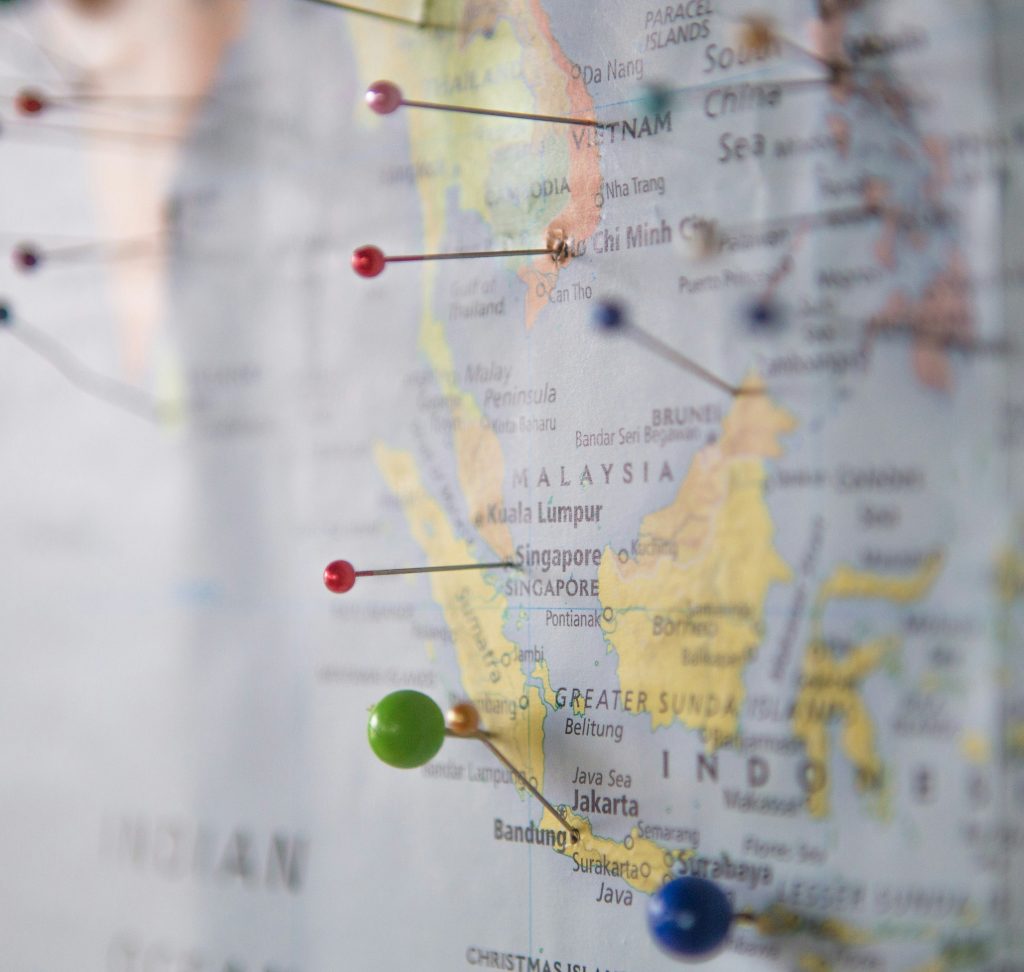
Singapore is the most import-dependent country in Association of Southeast Asian Nations (ASEAN), importing more than 90% of its food. Recent tensions in the Gulf have highlighted how global disruptions can affect food security across Southeast Asia, especially through higher fertiliser prices and supply risks. Because ASEAN countries are closely connected, regional cooperation is often more effective than acting alone. The region already benefits from complementary strengths in agriculture, technology, logistics and finance. By improving food trade coordination, investing in climate-resilient farming, adopting new technologies and strengthening regional institutions, ASEAN can build a more secure food system.
The next step is to turn plans into practical cooperation that benefits all member countries.
💡 Key takeaway
From talent and biotechnology to energy systems, supply chains and food security, East Asia is quietly building the foundations for the next decade.
Thanks for reading again this month. A quick note: There won’t be a regular East Asia Insights blog in July as I take a short summer break. I’ll be back in August with a new edition.
If you found this useful, feel free to share or subscribe to receive the full analysis in your inbox every month.
I’d love to hear your thoughts. If you have any questions, feedback or suggestions for future editions, simply send me an email at info@peters-perspective.com.
Stay curious,
Author of the book West meets East