



Hi, and welcome back to East Asia Insights!
May’s stories point to a quieter kind of adjustment in mainland China, Taiwan and Singapore, where pressure is showing up in how mobility, technology, diplomacy and climate risk are being managed.
In China, that means a stronger effort to adjust domestic policy while holding firm abroad. New guidelines widening migrant workers’ access to education, healthcare and housing suggest Beijing is starting to treat mobility as a long-term social reality, not a temporary exception. At the same time, the contrast between Trump’s visit and Putin’s trip to Beijing, which produced more than 40 agreements and language about ties at a “historical peak”, showed that China may be open to tactical stabilization with the US without loosening its deeper strategic partnerships with Russia.
Technology runs through much of this month’s story, not as grand showmanship, but through concrete economic and strategic choices. Taiwan’s economy is set to grow 9.6% in 2026, its fastest rate in 16 years, driven largely by surging global demand for AI technology. Huawei’s (华为) new “Tau Scaling Law” shows that He Tingbo (何庭波), often called the company’s chip queen, is backing a different way to improve chips. Instead of relying only on smaller transistors, as in Moore’s Law, her team is working on making the whole system run faster. Singapore’s selection as the first home of an OpenAI Applied AI Lab outside the United States points to its growing role as a trusted base for deployment.
Energy and climate run quietly through all of this. China’s first large-scale project linking renewable power directly to data centres in Ningxia (宁夏)shows how the rise of AI is beginning to reshape how countries think about energy. Meanwhile, Singapore’s warning over a possible “Godzilla El Nino” is a reminder that climate risk is no longer a distant environmental issue. It shows up in daily life as smoke pollution, flooding, damage to coral reefs, and pressure on food supply.
Below are the key developments of last month and what they tell us.
1) People & Culture
China eases hukou (户口) barriers for migrant workers
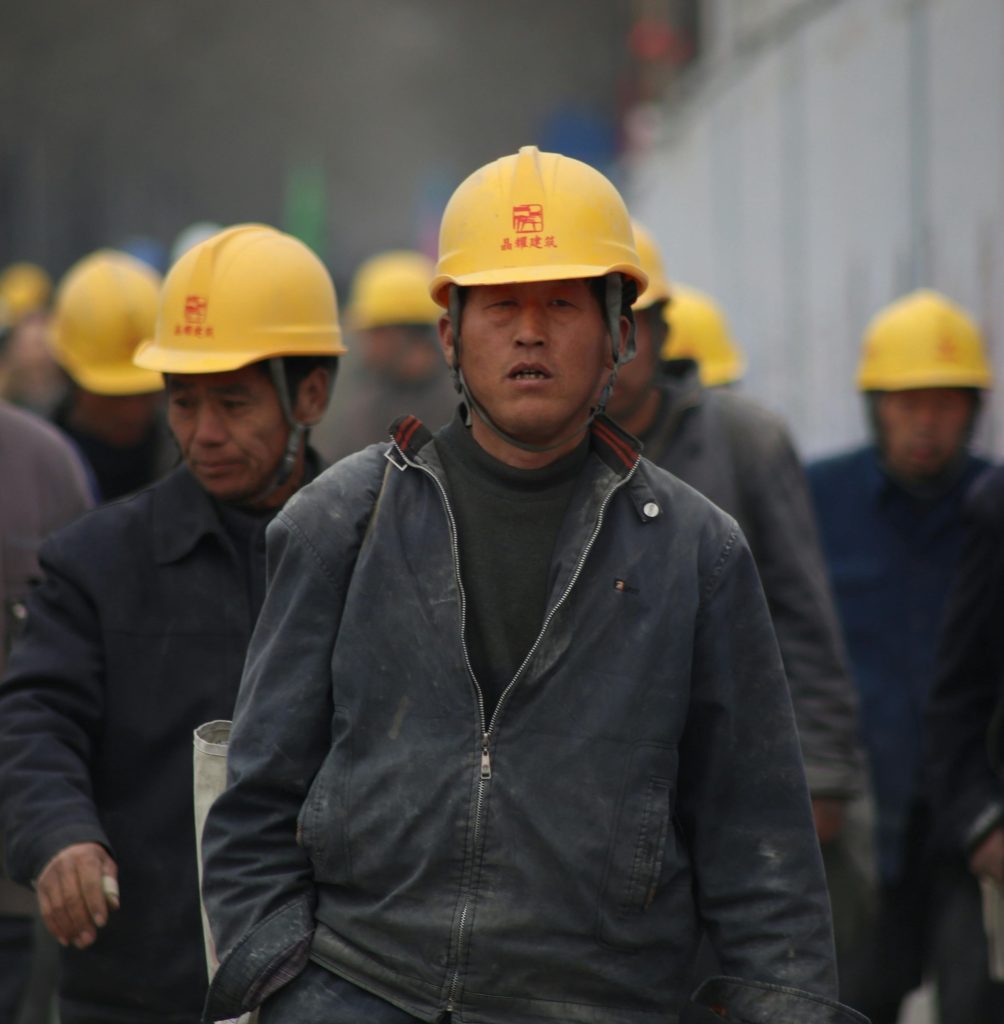
New guidelines give migrant workers access to education, healthcare, and housing in the cities where they actually live. By doing so, Beijing is starting to treat mobility as a social fact rather than a temporary exception. For Europe, this matters because when more Chinese people have stable lives in cities, they spend more money at home. This means China may rely less on selling goods abroad.
Taiwanese culture reaches Europe
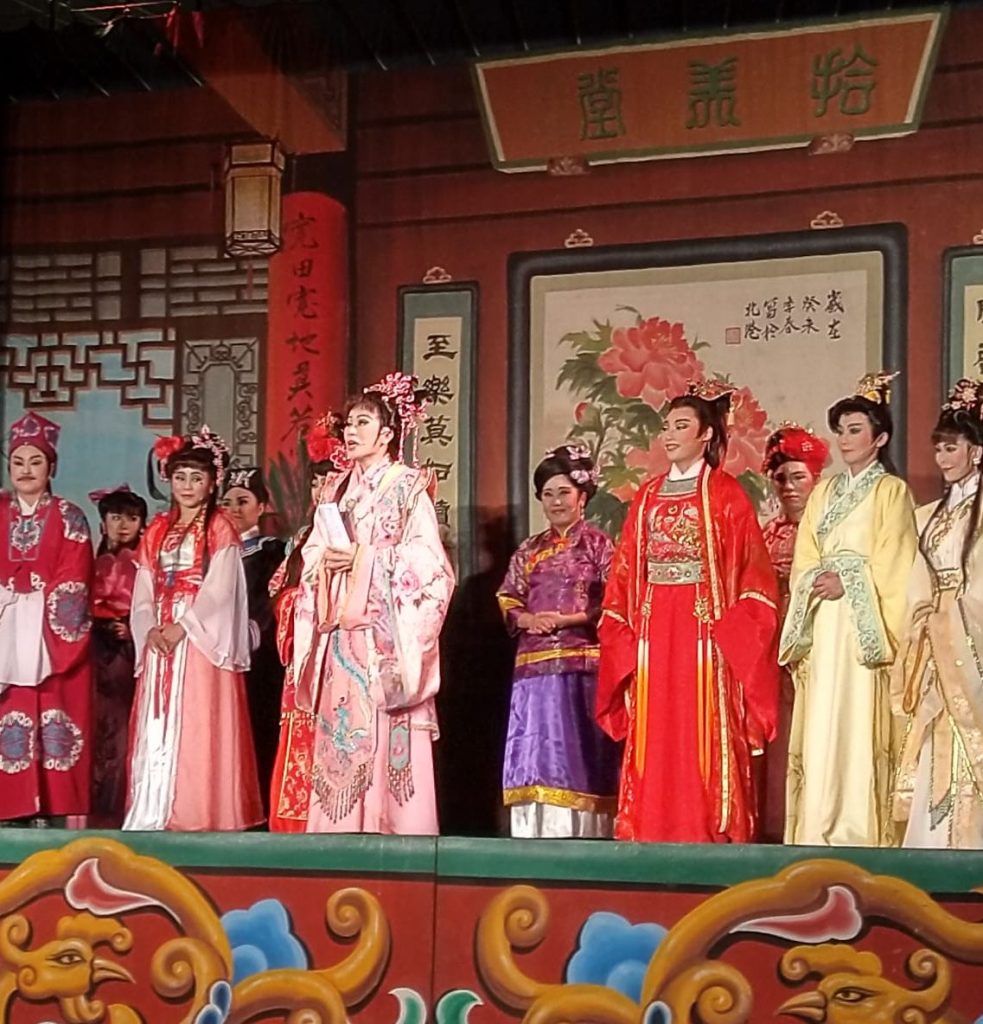
Taiwan Culture Europe 2026 shows how Taiwan uses film, literature and shared stories to build connections with other countries. Because Taiwan has limited space in official diplomacy, culture becomes a way to create goodwill and familiarity, not just be seen as a technology producer..
2) Leadership & Economy
Contracts for Putin, optics for Trump
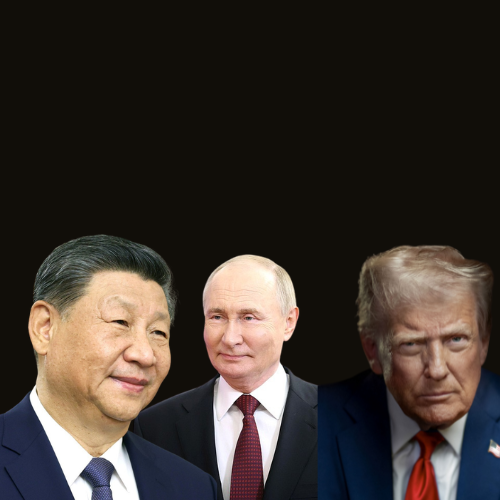
Trump’s visit to Beijing was mostly symbolic, full of ceremony and business presence, but with few concrete agreements. Putin’s visit produced 40 deals and strong language about the two countries’ relationship, although no final agreement was reached on the long-discussed Power of Siberia 2 gas pipeline. This suggests Beijing is managing both relationships on its own terms. For Europe, it is worth remembering that any improvement in US-China relations does not necessarily change the broader trajectory of China-Russia relations.
20 May 2026 | South China Morning Post
Taiwan lifts growth outlook to 9.6%
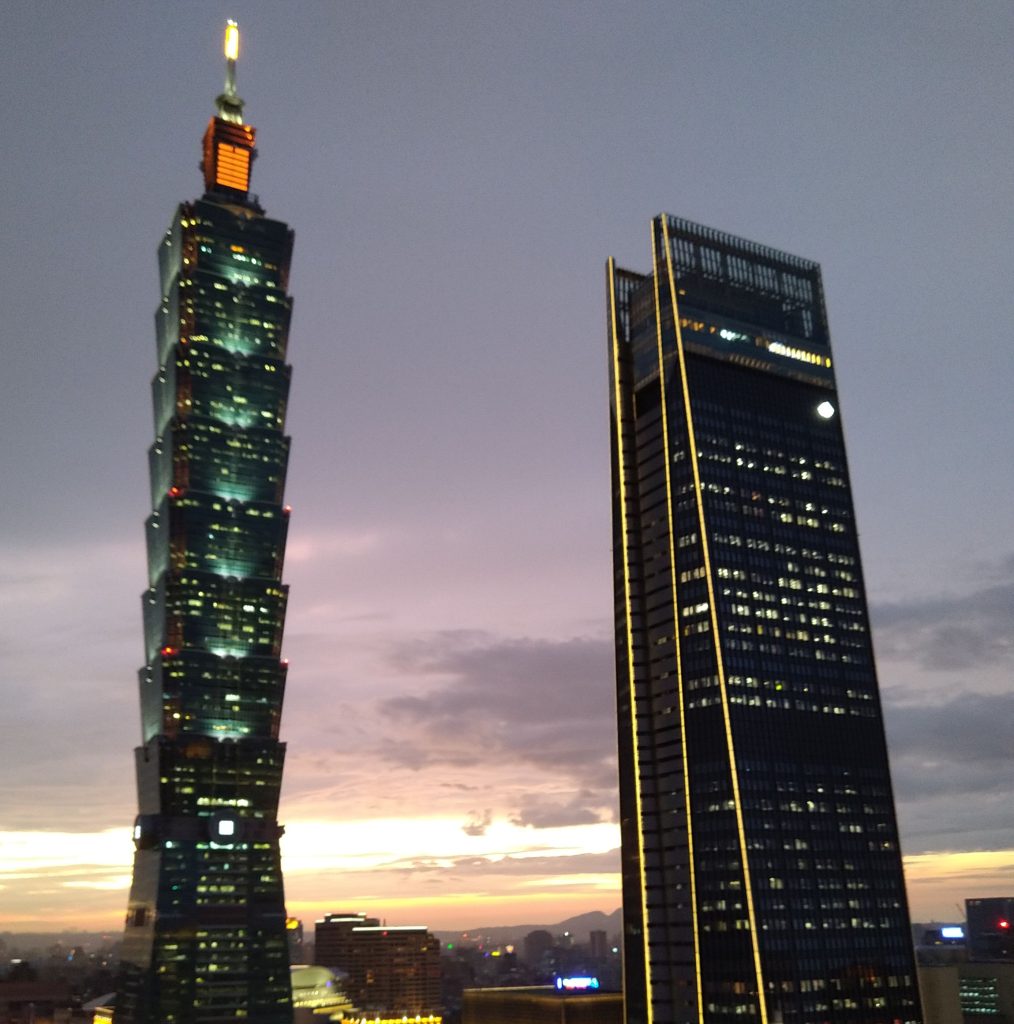
Its fastest rate in 16 years, driven by strong global demand for AI technology. This growth is now spreading beyond TSMC (台積電), Taiwan’s dominant chipmaker, into exports, investment and the wider economy. For Europe, it is a sign that AI is starting to change how whole countries grow, not just company valuations.
3) Technology & Innovation
Huawei’s (华为) challenges Moore’s Law
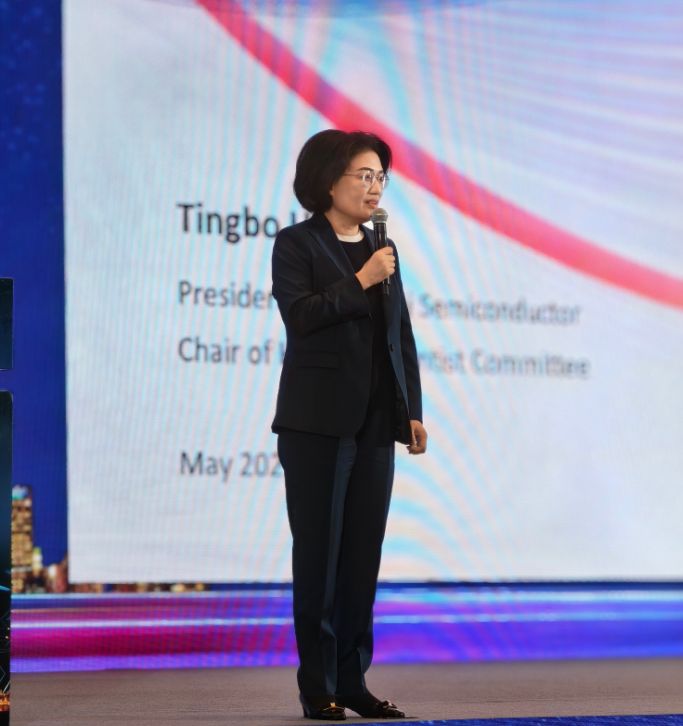
For decades, chip progress followed Moore’s Law. the idea that transistors get smaller every two years, making chips faster and more powerful. Huawei’s new “Tau Scaling Law” proposes a different path: instead of shrinking transistors, focus on making the whole system run faster. He Tingbo (何庭波), Huawei’s “chip queen”, is leading this approach. She is finding ways to innovate around US chip restrictions rather than waiting for them to lift. Europe should watch this closely, because when access to technology is blocked, it can push innovation in unexpected directions.
Singapore lands OpenAI’s first overseas AI lab
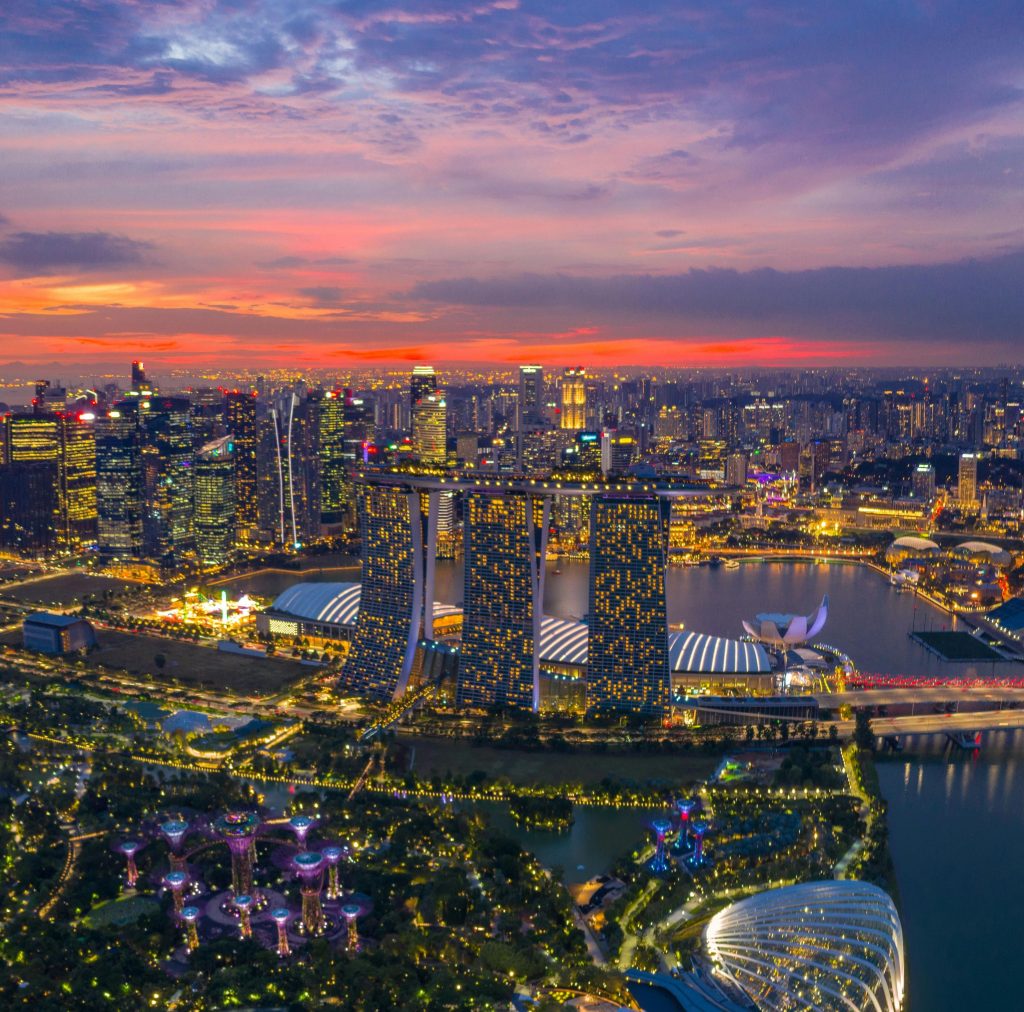
OpenAI has chosen Singapore for its first AI lab outside the United States. This is more than a business decision, it shows that Singapore is seen as a place where advanced AI can be tested and used in real industries, not just sold as a product. Smaller economies can still become serious players in AI if they offer the right mix of trust, skilled people and clear rules.
4) Climate Action, Energy & Food
China links renewable power directly to data centres
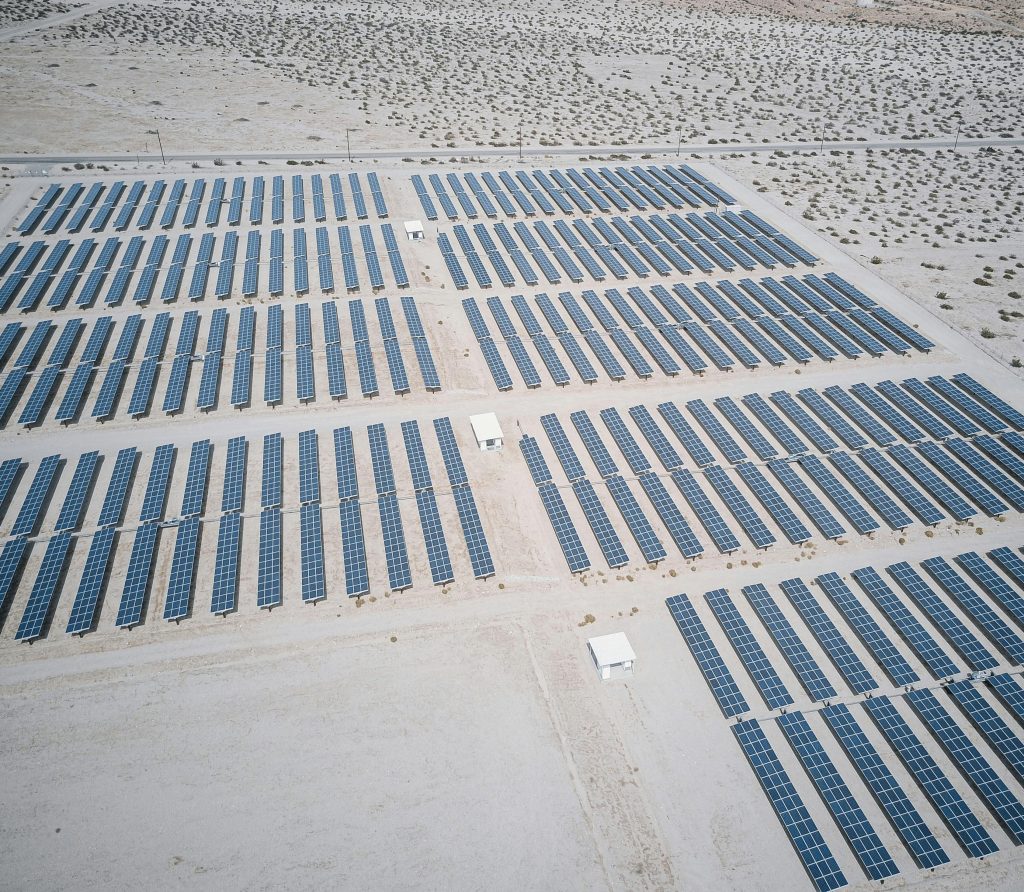
Many countries are still debating how to power their growing number of data centres cleanly. China has taken a concrete step: a large-scale project in Ningxia (宁夏) now sends renewable energy directly to data centres, cutting out the regular electricity grid. In Europe, the growth of AI and the push to reduce carbon emissions are often treated as separate issues, but they are quickly becoming inseparable.
Xinhua also offers useful background on the broader push to link green power with data-centre growth in China.
3 May 2026 | South China Morning Post
When climate risk hits daily life
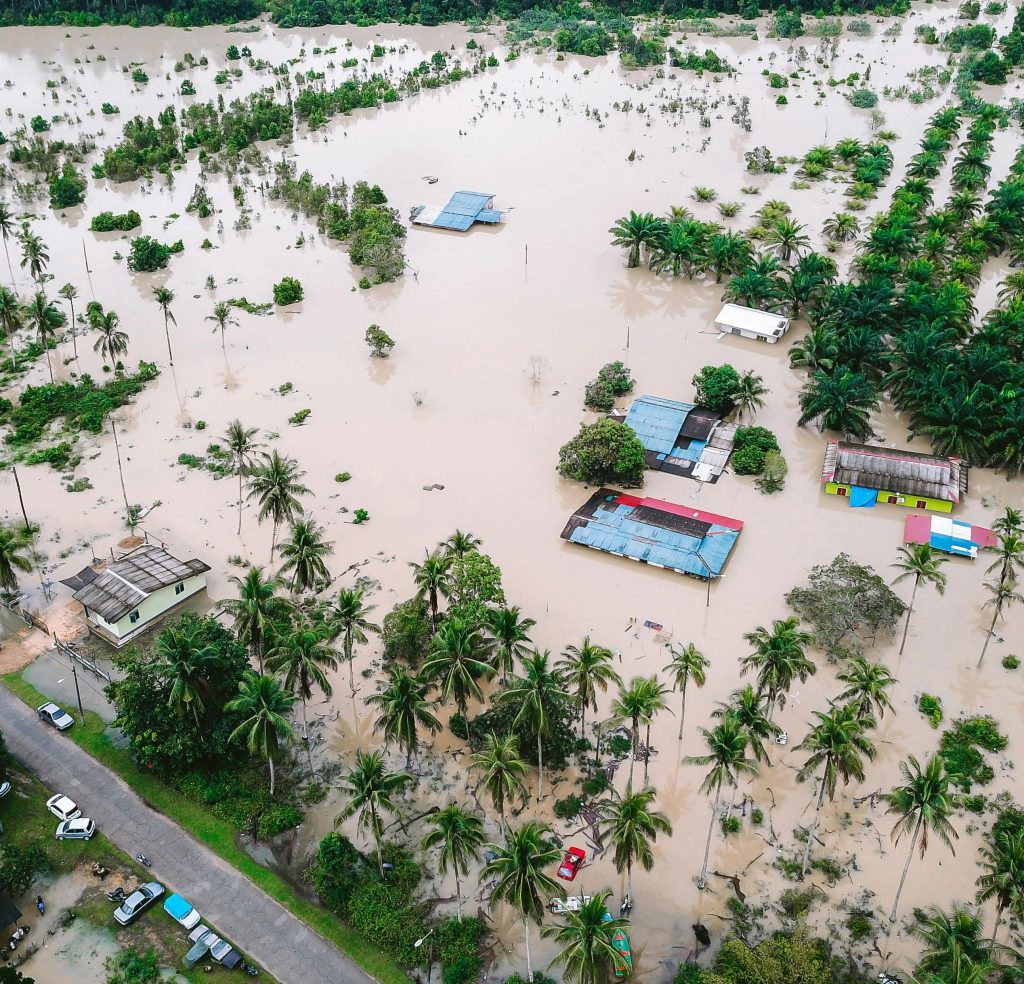
A possible ‘Godzilla El Niño’ — an unusually strong version of the climate pattern that warms the Pacific Ocean and disrupts weather worldwide — could hit Singapore hard. The effects would be felt in daily life: less rainfall, more smoke pollution from nearby wildfires, damage to coral reefs and pressure on food supply. Climate risk in Singapore is not abstract. European readers will recognize this too; extreme weather is becoming a year-round problem, not just a seasonal one.
💡 Key takeaway
From hukou (户口) reform to AI infrastructure and climate risk, East Asia is quietly building for a more uncertain future.
Thanks for reading again this month. If you found this useful, feel free to share or subscribe to receive the full analysis in your inbox every month.
Stay curious,
Author of the book West meets East